
Procurement teams often focus on price, lead time and final inspection. Inside a factory, however, many quality and delivery risks are decided earlier: during drawing review, process planning, material confirmation, inspection setup and production control.
This guide explains the topic from the factory side, so OEM buyers can ask clearer questions before committing to mass production.
Quick Answer
Buyers should define cosmetic surfaces by marking visible areas, non-visible areas, acceptable defects, inspection distance, lighting, finish sample, packaging protection and how appearance issues will be approved before mass production.
Factory Scenario
A visible aluminum cover and a hidden mounting bracket may both be anodized black. The same small handling mark may be unacceptable on the visible cover but acceptable on the hidden bracket. If the drawing does not define the cosmetic surface, the factory and buyer may judge the same mark differently.
Separate Visible and Non-Visible Areas
The first step is to tell the factory which surfaces the end customer will see. Hidden mounting faces, internal slots and contact points may need different standards from branded or retail-facing surfaces.
Define Defects in Practical Language
Buyers should define scratches, dents, stains, color variation, polishing marks, coating marks, pits, burrs and handling damage. Related guide: surface finishing defects before mass production.
Use Samples, Photos and Inspection Conditions
A sample alone can be vague. It works better when supported by photos, defect limits, inspection distance, light condition and a note showing which side is customer-facing.
Packaging Is Part of Cosmetic Protection
Cosmetic parts can pass inspection and still arrive damaged if the packing allows rubbing. Inner bags, separators, trays, cartons and pallet methods should be matched to the finish.
Do Not Over-Control Hidden Areas
Overly strict cosmetic requirements on hidden areas can raise cost and slow delivery without improving customer value. Good standards put strict control where customers actually see or touch the product.
Nbfeiyu Factory Angle
Nbfeiyu reviews appearance requirements together with machining, surface treatment, assembly and packing. This is especially important for automotive accessories and custom components with visible finished surfaces. See Surface Treatment and Quality Control System.
Buyer Checklist
- Visible surfaces are marked on drawings or photos.
- Acceptable and unacceptable defects are defined.
- Inspection distance and lighting are agreed.
- Approved sample or color reference is provided.
- Packing prevents rubbing and handling marks.
- Hidden areas are not over-specified unless functional.
FAQ
Is cosmetic inspection the same as surface roughness inspection?
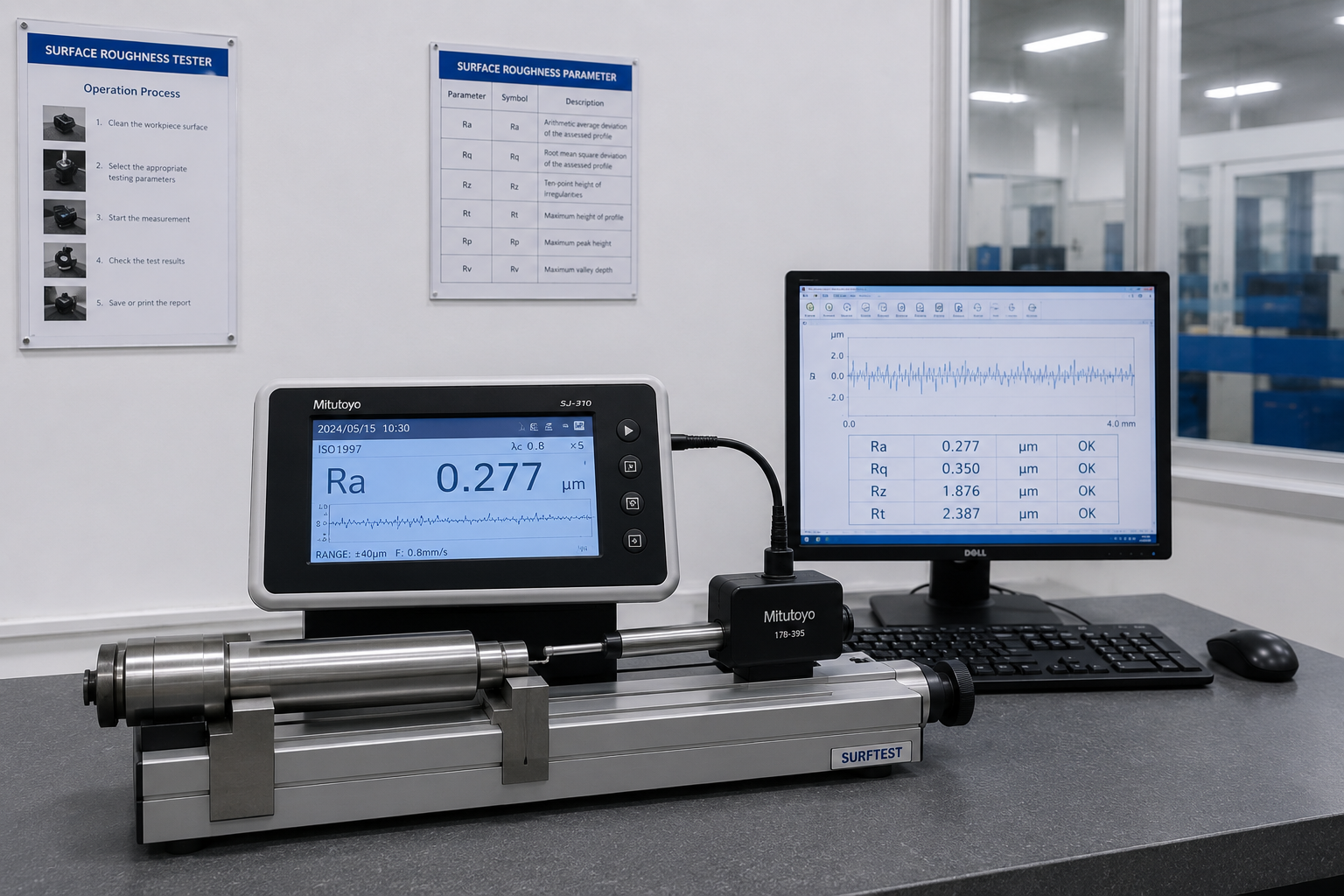
No. Surface roughness is a measurable texture requirement. Cosmetic inspection also includes visible defects such as scratches, stains, marks and color variation.
Can packaging be included in the cosmetic standard?
Yes. For visible finished parts, packaging is part of protecting the accepted appearance standard.
Should cosmetic limits be strict for every surface?
Usually no. The standard should match customer-facing surfaces and functional risk.
Conclusion
For OEM buyers, the safest supplier is not the one that only promises inspection at the end. It is the factory that can explain how risk is reviewed, controlled and corrected before products leave the production line.
Clear drawings, practical standards and early engineering communication help both sides reduce rework, protect delivery schedules and keep repeat orders stable.