
Many procurement teams are reviewing whether finished OEM programs should stay with China-based suppliers or move closer to the sales market. This article is not about a simple machined part only. That narrower question is covered in our guide to CNC parts from China vs local suppliers.
Here the question is broader: what changes when the supplier is responsible for machining or molding, surface treatment, assembly, inspection, packaging, batch control and shipment readiness? In that situation, moving production is not only a purchasing decision. It is a change to the full supply model.
Quick Answer: Compare the Program Model, Not Just the Country
For complete OEM programs, buyers should compare supplier ownership of process planning, finishing, assembly, purchased parts, inspection records, export packaging, batch traceability and delivery recovery. Local sourcing may reduce distance. A China-based integrated factory may reduce handoffs when the product requires several manufacturing and quality steps.
Factory Scenario: Moving the Part Is Easy, Moving the Program Is Not
A buyer wants to move a finished automotive accessory closer to the market. The machined component is easy to quote locally. But the program also includes black coating, purchased fasteners, an assembly fixture, retail labels, carton protection, final inspection photos and repeat batch matching.
If each step moves to a different supplier, the buyer may reduce distance but increase coordination work. The useful comparison is not one machining price against another. It is the total system required to ship an approved finished product repeatedly.
Program Transfer Is a Different Checklist
When a buyer transfers a single CNC component, the main questions are usually drawing, tolerance, machining route, inspection and delivery. When a buyer transfers a complete OEM program, the checklist expands to BOM ownership, purchased parts, labels, carton drawings, approved samples, surface finish masters, assembly fixtures, inspection records and phase-in timing.
This is where sourcing teams often underestimate workload. A local source may machine one item quickly, but the buyer still needs someone to manage fasteners, inserts, surface-finished components, work instructions, packing standards and old-stock transition. The program owner matters as much as the country.
1. Start With Total Landed Cost
Unit price is only one line. A serious comparison should include tooling or fixtures, sample rounds, finishing, purchased components, inspection reports, packaging, ocean or air freight, duties, tariff exposure, domestic trucking, rejected parts and engineering time.
For some projects, a local supplier wins because the part is urgent or still changing. For stable repeat orders, a China supplier with integrated manufacturing and export experience may reduce the full cost even when freight and customs are included.
2. Check What Is Actually Done In-House
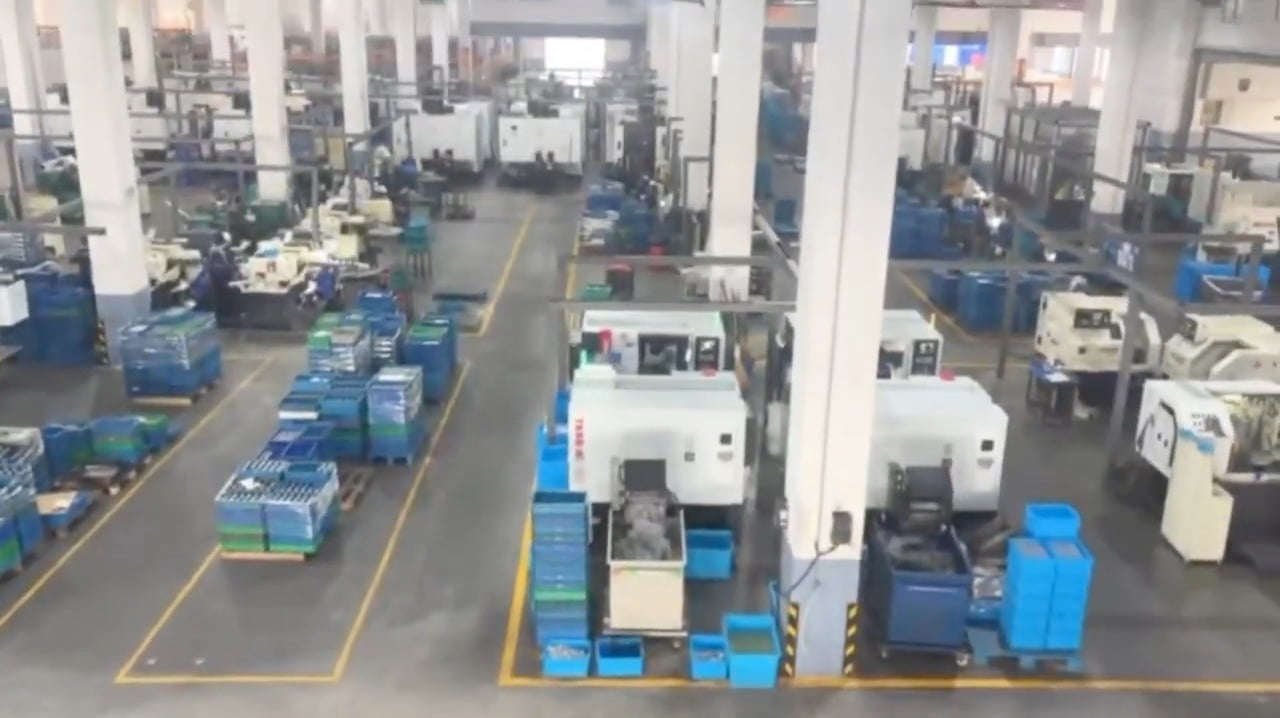
Country does not tell you whether a supplier controls the process. Ask which steps are in-house and which are outsourced. For custom OEM parts, the answer may include CNC machining, laser cutting, stamping, welding, injection molding, surface treatment, mechanical assembly, inspection and packaging.
This is where a factory-side conversation becomes useful. A supplier that understands the full route can catch risks before mass production. A supplier that only passes drawings to another workshop may not see problems until parts are already late.
3. Confirm BOM and Purchased Component Responsibility
Finished OEM products often include more than manufactured parts. Fasteners, bushings, inserts, rubber pads, labels, bags, cartons or retail accessories may be part of the same shipment. If production moves, buyers should confirm who qualifies these purchased items and who handles shortages or substitutions.
A quote that excludes purchased-component coordination can look attractive but leave the buyer managing several small suppliers. For procurement teams, this can become the hidden cost of moving a program.
4. Compare Engineering Support Before Quotation
Good suppliers ask questions. They review drawings, materials, tolerances, critical dimensions, visible surfaces, assembly points and packaging needs before they commit to price. That may feel slower than receiving a fast number, but it often prevents rework later.
If the buyer is still changing the design, local engineering support can help. If the design is mature, a China-based OEM/ODM factory with CAD/CAM review, tooling knowledge and production experience can support efficient transfer to repeat production.
5. Compare Quality Control at Each Stage
Final inspection matters, but it cannot fix weak process control. Buyers should compare incoming material inspection, sample approval, in-process inspection, fixture control, surface finish review, assembly checks and final shipment approval.
For automotive accessories and custom metal or plastic parts, define inspection points before the order is placed. Material grade, tolerance, coating appearance, functional fit and packaging protection should not be left to interpretation.
6. Do Not Treat Surface Treatment as an Afterthought
Many supplier switches fail because the machining quote is compared clearly, but finishing is not. Anodizing, electroplating, polishing, coating and e-coating affect lead time, appearance consistency, handling protection and inspection standards.
If the part is visible to the end customer, the approved sample should define color range, texture, gloss, scratches, marks and protected surfaces. Related reading: how surface treatment affects OEM part cost and durability.
7. Compare Assembly and Supplier Coordination
Some buyers move individual components locally, then discover that assembly, kitting, labels, fasteners and packaging still need coordination. A finished assembly supplier can reduce handoffs if it controls incoming parts, assembly fixtures, process checks and final packing.
This is especially relevant for brands sourcing automotive accessories or finished product kits. Related capability: Assembly & Supply Chain.
8. Compare Batch Traceability and Repeat Order Control
A complete OEM program creates more records than a single part order. Buyers may need material lot control, finish batch information, assembly records, packing lot references and shipment approval documents. If production moves, the buyer should confirm how these records will be rebuilt and maintained.
This is different from a short prototype transfer. For annual repeat orders, a supplier should show how later batches will match the approved sample. Related reading: why lot traceability matters for OEM metal and plastic parts.
9. Plan the Phase-In and Old-Stock Transition
Moving an OEM program is not only a future-order decision. Buyers may need to manage old stock, last-time buys, revised packaging, updated labels, sample re-approval, warehouse timing and customer notification. These details should be planned before the new supplier starts mass production.
A smooth transition usually needs a pilot run or controlled first shipment before the buyer fully replaces the old source. This reduces the chance that a sourcing change creates a market interruption.
10. Compare Delivery Recovery, Not Only Planned Lead Time
Every supplier can promise a planned lead time. The better question is what happens when a material delay, finish issue, drawing change or inspection concern appears. Buyers should ask how the supplier communicates problems, separates affected batches and protects shipment timing.
For export orders, location near a major port can help. Nbfeiyu’s Ningbo location gives access to Ningbo-Zhoushan Port within about 30 minutes, which supports global shipping once goods are approved for release.
Buyer Checklist Before Moving OEM Parts
- Compare total landed cost instead of unit price alone.
- Confirm in-house processes and outsourced steps.
- Ask for engineering review before quotation.
- Define material grade, tolerance and critical dimensions.
- Review surface treatment requirements and approved samples.
- Confirm BOM ownership and purchased component responsibility.
- Check incoming, in-process and final inspection control.
- Compare assembly, kitting and packaging responsibility.
- Confirm batch traceability and repeat-order control.
- Plan phase-in timing, old-stock transition and first shipment review.
- Ask how the supplier handles delays, rework and shipment approval.
How Nbfeiyu Fits This Decision
Nbfeiyu is a Ningbo-based OEM/ODM manufacturing partner for automotive accessories and custom metal and plastic components. The factory supports projects involving aluminum, steel, PP plastics, brass and combined assemblies, with production capabilities including CNC machining, laser cutting, robotic welding, injection molding, surface treatment and assembly.
For buyers comparing suppliers, Nbfeiyu’s value is not only production price. The more important support is the closed-loop review across R&D, design, production, quality control and export delivery. That helps procurement teams reduce the gap between a quote and a stable repeat order.
FAQ
Is moving a complete OEM program different from moving a CNC part?
Yes. A CNC part transfer may focus on machining cost, tolerance and delivery. A complete OEM program also includes finishing, assembly, purchased components, packaging, inspection records, batch traceability and shipment coordination.
What is the biggest mistake when moving an OEM program?
The biggest mistake is moving the visible manufacturing step while underestimating the supporting work. Buyers should confirm who owns finishing, assembly, kitting, packaging, inspection, records and delivery recovery.
When can local sourcing make more sense?
Local sourcing can make more sense when the design is still changing quickly, urgent prototypes are needed, freight cost is unusually high or the buyer needs frequent face-to-face engineering changes.
Conclusion
China sourcing and local sourcing both have a place. The right choice depends on the project stage, technical requirements, production volume, quality risk and delivery plan. Buyers should compare the supplier’s system, not only the supplier’s location.
For OEM parts, the most reliable partner is the one that can turn a drawing into repeatable production with clear engineering review, process control, inspection and shipment support.