
CNC Parts from China vs Local Suppliers: What Buyers Should Compare
Compare CNC parts from China and local suppliers by landed cost, lead time, quality control, tariffs, finishing, communication, and supply chain risk.
Many procurement teams are asking whether they should keep sourcing CNC parts from China or move production to local suppliers. The answer is rarely simple. A smart decision depends on total landed cost, engineering support, process capability, inspection control, delivery risk, and the stability of repeat production.
This guide looks at the decision from both the buyer side and the factory side, so the comparison is not limited to unit price.
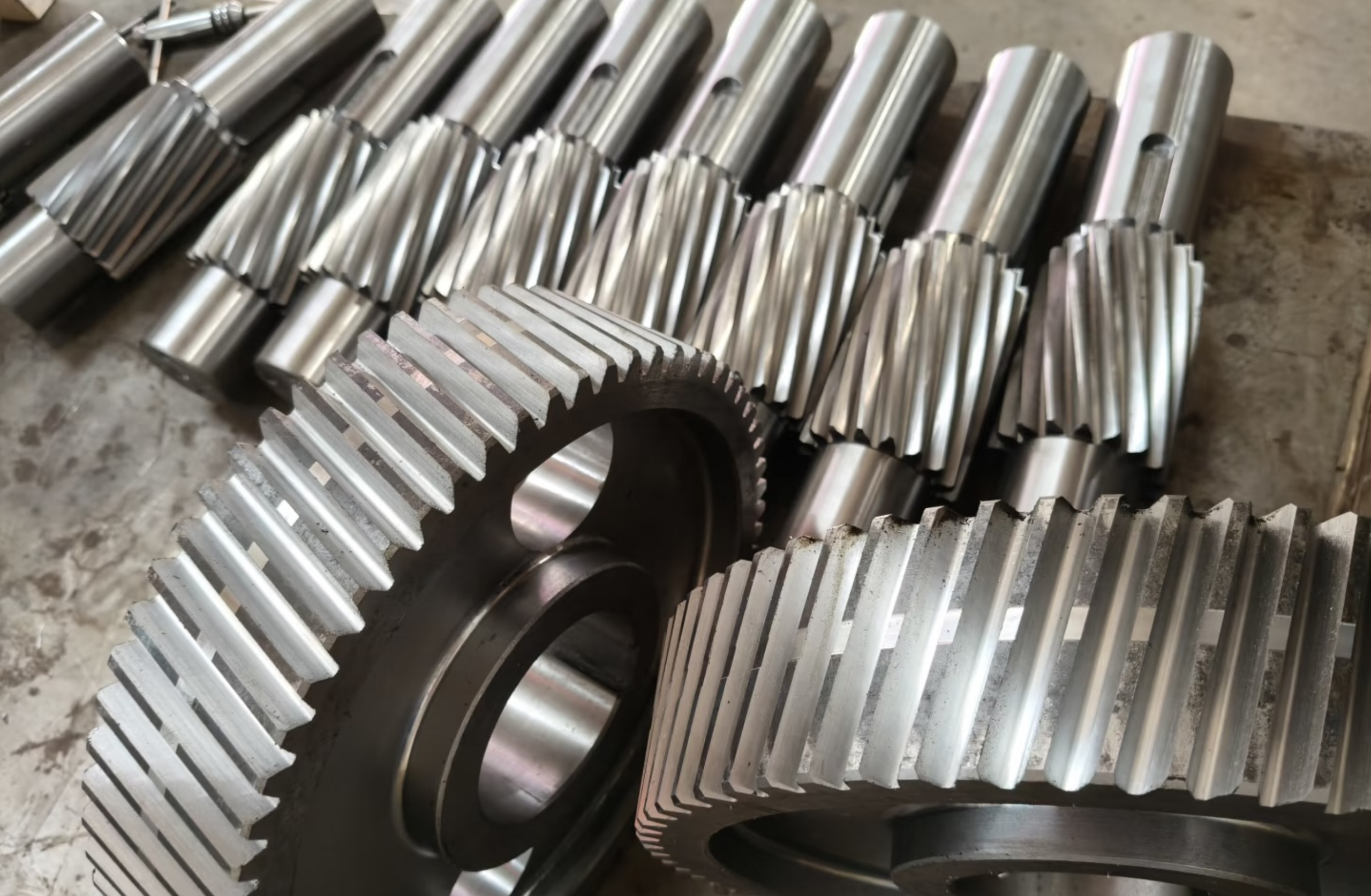
Factory Scenario: Switching Suppliers Is Not Only a Price Decision
When a buyer moves a CNC part from China to a local supplier, the first comparison is usually unit price. The harder comparison comes later: surface finish consistency, report format, packaging, repeat order timing and whether the new supplier understands the same critical dimensions. A sourcing move works best when those points are checked before the switch.
1. Compare Landed Cost First
Landed cost includes machining, material, fixtures, finishing, inspection, packaging, freight, duty, customs brokerage, local delivery, and possible rework. A low unit price can become expensive if finishing, inspection, or packaging is not controlled clearly.
Inside the factory, an accurate price must include the real work needed to produce, inspect, protect, and ship the parts. If those assumptions are different between suppliers, the quote comparison is not fair.
2. Compare Total Lead Time
Lead time should be counted from RFQ submission to parts arriving at the buyer’s facility. Procurement teams can compare quote response time, sample time, production time, surface finishing time, inspection time, packing time, and shipping time.
Local suppliers can be useful when the design changes frequently. China-based suppliers can be efficient when drawings are clear and repeat production is planned in advance.
3. Compare Process and Finishing Capability
CNC parts may require machining, laser cutting, welding, polishing, anodizing, electroplating, coating, e-coating, assembly, or export packing. A supplier that only controls machining may still depend heavily on outside vendors for finishing.
Procurement teams can ask what is done in-house, what is outsourced, and how the supplier controls quality across every process.
4. Compare Quality Control Before Shipment
Quality control should include incoming material inspection, in-process checks, dimensional inspection, surface finish checks, sample approval, final inspection, packaging review, and shipment approval.
For international sourcing, inspection standards should be agreed before production begins. This reduces disputes and helps the factory control the batch consistently.
Factory Perspective
From a factory perspective, the best sourcing decision is the one that matches the stage of the project. If the design is still changing, local prototyping may reduce communication friction. If the drawing is stable and the buyer needs repeat orders, a China-based factory with CNC machining, finishing, assembly, QC, and export coordination can provide strong overall value.
Nbfeiyu supports OEM/ODM manufacturing in Ningbo with capabilities including CNC machining, laser cutting, robotic welding, injection molding, anodizing, electroplating, polishing, coating, and e-coating. The factory’s location near Ningbo-Zhoushan Port also supports global shipment planning.
Buyer Checklist
- Compare landed cost instead of only unit price.
- Confirm material grade, tolerance, surface finish, and inspection method.
- Ask which processes are handled in-house.
- Confirm sample approval and final inspection requirements.
- Review packaging standards before shipment.
- Decide whether the project is prototype, low-volume, or repeat production.
FAQ
Are CNC parts from China always cheaper than local suppliers?
No. China suppliers may offer lower unit prices, but buyers must include freight, duty, tariffs, inspection, packaging, customs, and possible rework in the total cost.
When should buyers choose a local CNC supplier?
Local suppliers can be better for urgent prototypes, frequent drawing changes, face-to-face engineering review, and low-volume projects with fast iteration.
When does China sourcing make sense?
China sourcing can make sense for stable drawings, repeat orders, cost-sensitive production, multiple-process parts, and buyers with clear specifications and inspection requirements.
Conclusion
Moving CNC parts from China to local suppliers can be useful in some cases, but the decision should be based on cost, lead time, process control, quality, finishing, and supply chain risk.
Looking for support with CNC machined components or custom parts? Contact Nbfeiyu to review your drawings, materials, inspection needs, and OEM/ODM production plan.
Quick Answer
The practical answer depends on the part function, material, quantity, tolerance, finishing and inspection requirements. A factory review before production helps convert those requirements into a controlled process.
Need Help With a Custom Manufacturing Project?
Send drawings, samples, materials, quantity, tolerance, finishing, inspection and packaging requirements. Nbfeiyu can review manufacturability, process route, quality checkpoints and quotation details before production.