
How Surface Treatment Choices Affect OEM Part Cost, Appearance and Durability
Surface treatment choices affect more than appearance. They influence cost, durability, inspection, packaging and delivery risk for OEM metal parts.
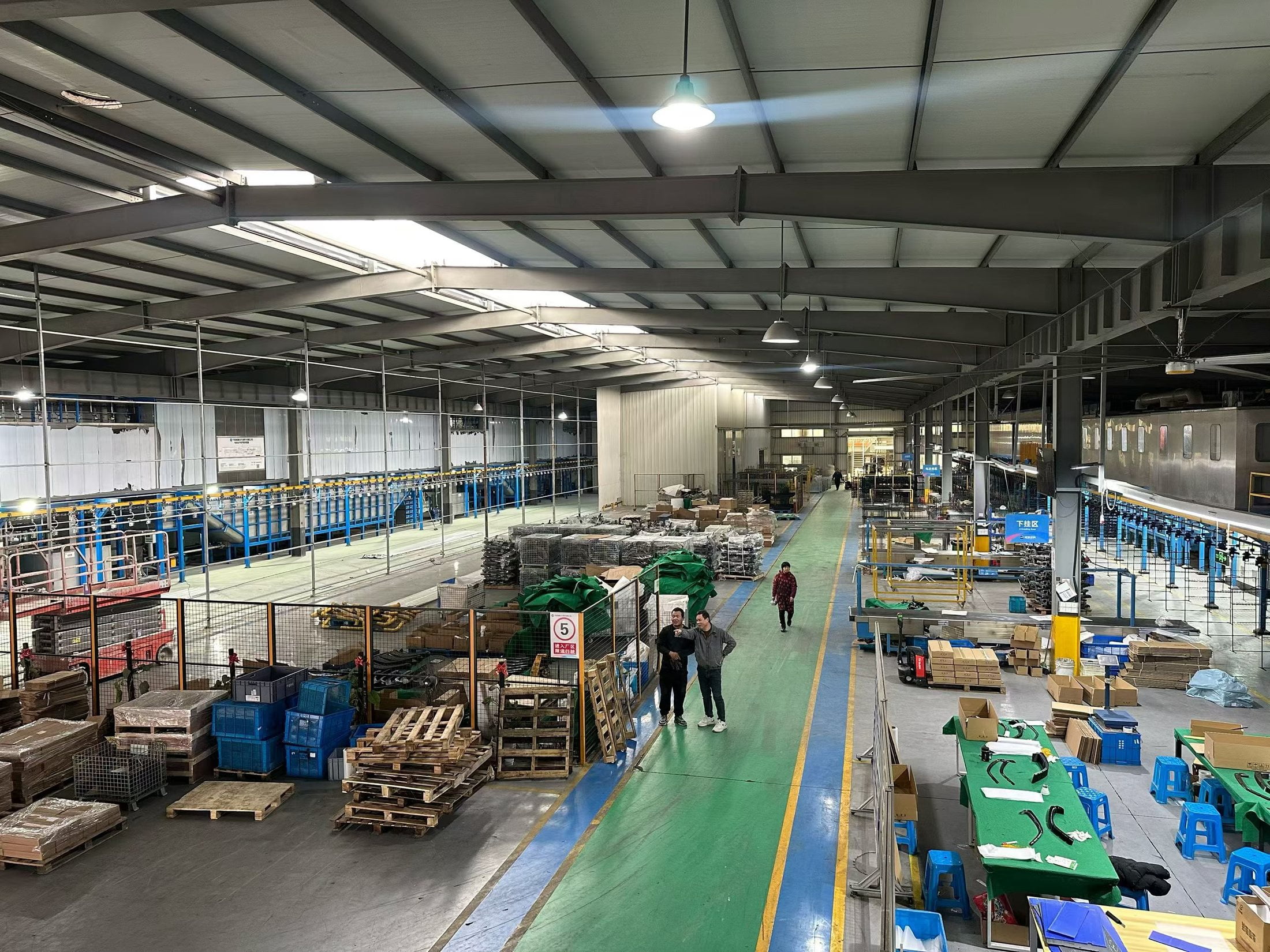
Surface treatment is often written as one short note on a drawing: anodized, plated, polished, coated or e-coated. Inside a factory, that short note can change the quotation, process route, inspection work and packing method.
For OEM buyers, the practical question is not only which finish looks better. The better question is what the finish needs to do after the part leaves the factory.
Factory Scenario: A Missing Finish Note Changes the Project
A bracket may look simple in CNC machining, but the quotation changes if the buyer later adds black anodizing, tighter cosmetic limits and individual protection in export cartons. The machining work did not change much. The finishing route, inspection time and packing work did.
Start With Function, Not Only Appearance
Surface treatment can support corrosion resistance, wear resistance, color matching, texture, insulation, cleaning, brand appearance or retail presentation. A hidden structural part and a visible branded accessory may need different standards even if the base material is the same.
Before choosing a finish, define the application environment, visible surface area, contact points, expected service condition and whether the part will be assembled with other components. That prevents the factory from quoting a finish that looks correct but does not fit the real use.
How Finish Choice Affects Cost
Cost changes when the finish requires surface preparation, polishing, masking, hanging points, batch separation, color matching, coating thickness checks or cosmetic sorting. A low-cost finish may be enough for a hidden part. A visible product may need a cleaner process and stricter handling.
For repeat OEM orders, buyers should also consider batch stability. If the same part is ordered several times a year, the finish standard should be clear enough for later batches to match the approved sample.
Durability Depends on the Right Standard
Anodizing, electroplating, polishing, coating and e-coating are not interchangeable. Each process has different strengths, limits and inspection methods. Material grade, surface condition, part geometry and cleaning process all affect the final result.
For outdoor or high-handling products, the finish may need corrosion expectation, coating thickness, salt spray requirement or abrasion-related checks. For decorative parts, color tone, gloss, texture and visible defects may matter more.
What to Put in the RFQ
- Base material and grade.
- Required finish type, color and texture.
- Visible surface and non-visible surface definition.
- Coating thickness or corrosion expectation when required.
- Approved sample, color chip or reference photo.
- Packaging protection for finished surfaces.
How Nbfeiyu Handles Surface Treatment Review
Nbfeiyu supports OEM/ODM projects involving aluminum, steel, PP plastic, brass and combined components. Surface treatment support includes anodizing, electroplating, polishing, coating and e-coating coordination, linked with machining, assembly, quality control and export packing.
Related pages: Surface Treatment, Quality Control, RFQ Package Guide and Contact Nbfeiyu.
Conclusion
A surface finish is part of the product specification, not a decoration added at the end. When cost, appearance, durability, inspection and packaging are defined early, the factory can quote more realistically and protect the approved standard during production.
Quick Answer
The practical answer depends on the part function, material, quantity, tolerance, finishing and inspection requirements. A factory review before production helps convert those requirements into a controlled process.
Buyer Checklist
- Define the part function and critical features.
- Confirm material, quantity, tolerance and finish.
- Agree sample approval and inspection standards.
- Record packaging and shipment requirements.
FAQ
What should buyers send for review?
Send drawings, models, material details, quantity, finish and any inspection or packaging requirements.
Why involve the factory before production?
Early review can identify process, fit, finishing, inspection and delivery risks while changes are still manageable.
Need Help With a Custom Manufacturing Project?
Send drawings, samples, materials, quantity, tolerance, finishing, inspection and packaging requirements. Nbfeiyu can review manufacturability, process route, quality checkpoints and quotation details before production.