
Many OEM sourcing problems do not start on the production line. They start when a practical shop-floor detail is left out of the RFQ, drawing, sample approval or shipment standard.
This article looks at the issue from the factory side, with the kind of small failure point that can become expensive after mass production.
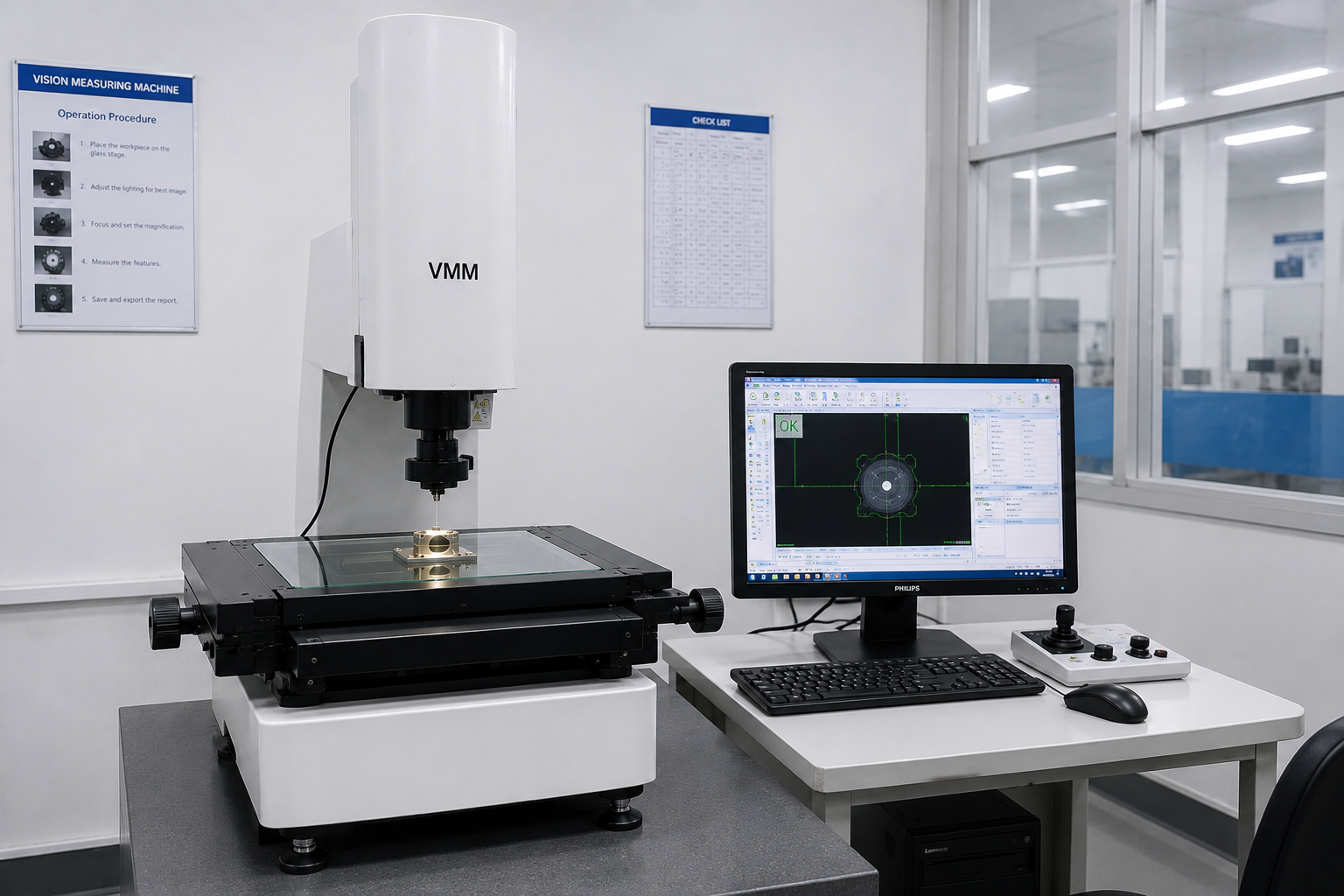
Quick Answer
Factories prevent mixed revisions by locking the latest drawing, separating old and new stock, controlling labels, checking first pieces against the correct revision and linking inspection records to the shipment lot.
Factory Failure Case
A buyer changed one hole position by less than a millimeter. The old version and new version looked almost identical, and both could pass a quick visual check. During assembly, only part of the shipment fit the updated housing. The root cause was not machining capability. It was mixed-revision control between warehouse stock, production paperwork and final packing.
The Latest Drawing Must Be Obvious
A factory should not rely on someone remembering which file is current. The drawing revision, date and buyer approval should be visible in the job order, inspection plan and packing record.
Old Stock Needs a Decision
When a revision changes, old stock cannot simply sit beside new stock. It should be quarantined, reworked, scrapped, approved for a separate use, or clearly labeled as the old version.
Kitting and Labels Matter
For assemblies, part number, revision, color, finish, handedness and supplier batch can all create mix-up risk. This connects with incoming QC and kitting control.
Inspection Should Check the Revision, Not Only the Dimension
A dimension can be correct for the old drawing and wrong for the new one. First-piece and final inspection should identify the drawing revision used, especially after engineering changes.
Shipment Approval Should Close the Loop
Before shipment, buyers can request photos, labels, packing lists and inspection reports that show the revision. This is more useful than asking after the container has already moved.
Nbfeiyu Factory Angle
Nbfeiyu manages OEM/ODM repeat work through production planning, quality checks and shipment preparation. For programs with frequent revisions, buyers should share change history and approve samples under controlled revision records.
Buyer Checklist
- Latest drawing revision is confirmed before production.
- Old stock is separated and dispositioned.
- Labels show part number and revision where needed.
- First-piece inspection references the correct drawing.
- Packing lists and shipment photos match the revision.
- Inspection records are tied to the production lot.
FAQ
Why do mixed revisions happen?
They often happen when old inventory, old drawings, similar-looking parts or unclear labels stay in the production flow after a design change.
Can barcodes solve the problem alone?
Barcodes help, but process discipline still matters. Drawings, labels, warehouse control and inspection records need to agree.
Should buyers mention old stock in an engineering change?
Yes. Buyers should tell the factory whether old stock can be used, reworked or must be stopped.
Conclusion
For procurement teams, these details may feel small during quotation. For a factory, they decide whether a repeatable process can be built around the part.
The best time to discuss them is before mass production, when drawing notes, samples, fixtures, inspection records and packaging rules can still be aligned without urgent rework.