
How Incoming QC and Kitting Help Prevent OEM Assembly Delays
Incoming QC checks whether custom, purchased and outsourced parts match the project requirements before storage and assembly. Kitting organizes approved parts by project, part number, quantity and assembly schedule. Together, they prevent many shortages, mix-ups, wrong component use, rework and delivery delays.
Introduction
When an assembly order is delayed, people often look at the final production line first. Sometimes the issue is there. Very often, the problem started before the line opened.
A missing purchased part, wrong finish, mixed component version, quantity shortage or unapproved incoming item can stop assembly before it starts. These problems are not dramatic, but they quietly damage delivery schedules.
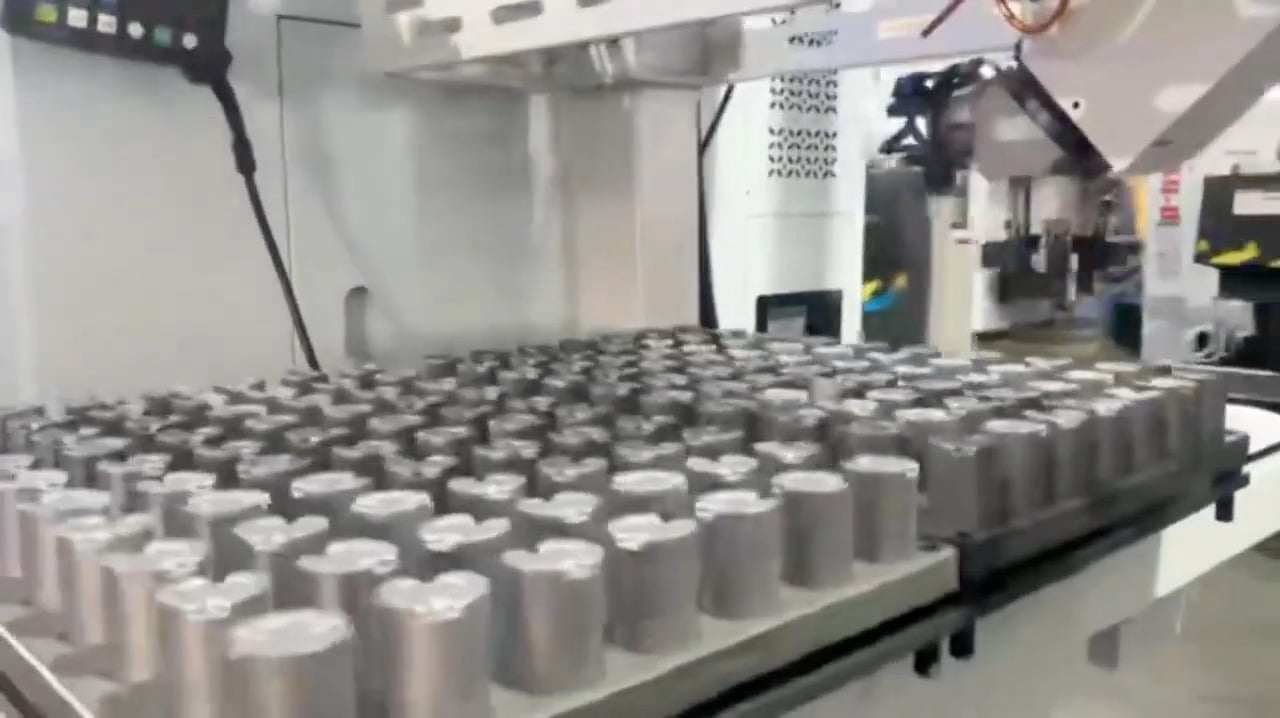
Incoming QC and kitting are two practical ways to catch those problems earlier.
Quick Answer
Incoming QC checks whether custom, purchased and outsourced parts match the project requirements before storage and assembly. Kitting organizes approved parts by project, part number, quantity and assembly schedule. Together, they prevent many shortages, mix-ups, wrong component use, rework and delivery delays.
1. Assembly Delays Often Start Before Assembly
An assembly line needs all parts ready at the same time. If one component is late or wrong, the whole schedule can move.
For products with metal parts, standard hardware, outsourced components, labels and packaging, the factory needs a controlled path before production release. That path usually includes receiving, inspection, identification, storage, shortage tracking and kit preparation.
Assembly & Supply Chain should be treated as part of production control, not just purchasing support.
2. What Incoming QC Should Check
Incoming inspection depends on the part. Common checks include dimensions, appearance, surface finish, quantity, packaging condition, part number, supplier documents and comparison with drawings or approved samples.
For visible products, appearance and surface treatment matter. For mechanical products, fit and critical dimensions may matter more. For purchased components, brand, model and specification should be checked against the BOM.
If incoming parts are not controlled, final inspection may only find the problem after labor and time have already been spent.
3. Warehouse Control Is Part of Quality Control
After inspection, approved parts should be stored in a way that protects both quality and traceability. Parts need clear identification by project, part number, quantity and assembly schedule.
This reduces the chance of using the wrong revision or mixing parts from different projects. It also lets the project team see shortages before the assembly date.
For repeat orders, warehouse discipline is not paperwork for its own sake. It is how the factory keeps the next batch from depending on memory.
4. Kitting Makes Assembly More Predictable
A kit should contain the parts needed for a defined assembly stage or finished product. It may include custom metal components, fasteners, inserts, bushings, bearings, handles, labels, accessories and packaging items.
When kits are prepared before line release, operators spend less time searching for parts. QC staff can also check completeness before assembly begins.
For products with similar-looking parts, kitting is especially useful. It reduces wrong-part use and makes the assembly sequence easier to follow.
5. Factory-Side Example
Consider a bracket assembly with machined parts, surface-treated covers, standard screws, bushings and labels. If the screws are correct but the bushings are late, assembly stops. If the cover finish is scratched during storage, the finished product may fail appearance checks. If labels are missing, packaging cannot be completed.
None of these issues are solved by a fast assembly line. They are solved by preparing parts correctly before release.
6. What Buyers Should Ask Suppliers
Buyers can ask simple questions before placing an assembly order:
- How are purchased parts checked before assembly?
- Are incoming parts stored by project and part number?
- How are shortages tracked?
- Is a kit prepared before assembly starts?
- How are wrong-version parts prevented?
- Can inspection records or photos be provided when required?
These questions are practical. A real assembly supplier should be able to answer them without turning the discussion into a long sales pitch.
Conclusion
Incoming QC and kitting do not sound as exciting as advanced machinery, but they matter in stable assembly work. They help the factory protect the schedule before assembly begins.
For OEM buyers, that means fewer surprises, cleaner production release and fewer preventable issues before shipment.
CTA: If your project includes multiple components, send Nbfeiyu the drawings, BOM and assembly requirements. Our team can review how incoming QC, storage, kitting and final assembly should be managed.
Buyer Checklist
- Define the part function and critical features.
- Confirm material, quantity, tolerance and finish.
- Agree sample approval and inspection standards.
- Record packaging and shipment requirements.
FAQ
What should buyers send for review?
Send drawings, models, material details, quantity, finish and any inspection or packaging requirements.
Why involve the factory before production?
Early review can identify process, fit, finishing, inspection and delivery risks while changes are still manageable.
Need Help With a Custom Manufacturing Project?
Send drawings, samples, materials, quantity, tolerance, finishing, inspection and packaging requirements. Nbfeiyu can review manufacturability, process route, quality checkpoints and quotation details before production.