
Quick Answer
Record why the change is needed, which part numbers and lots it affects, what the new specification is, which first-off checks are required, and who approves the change. Keep the old and new lots identifiable until the release decision is made.
Factory Scenario
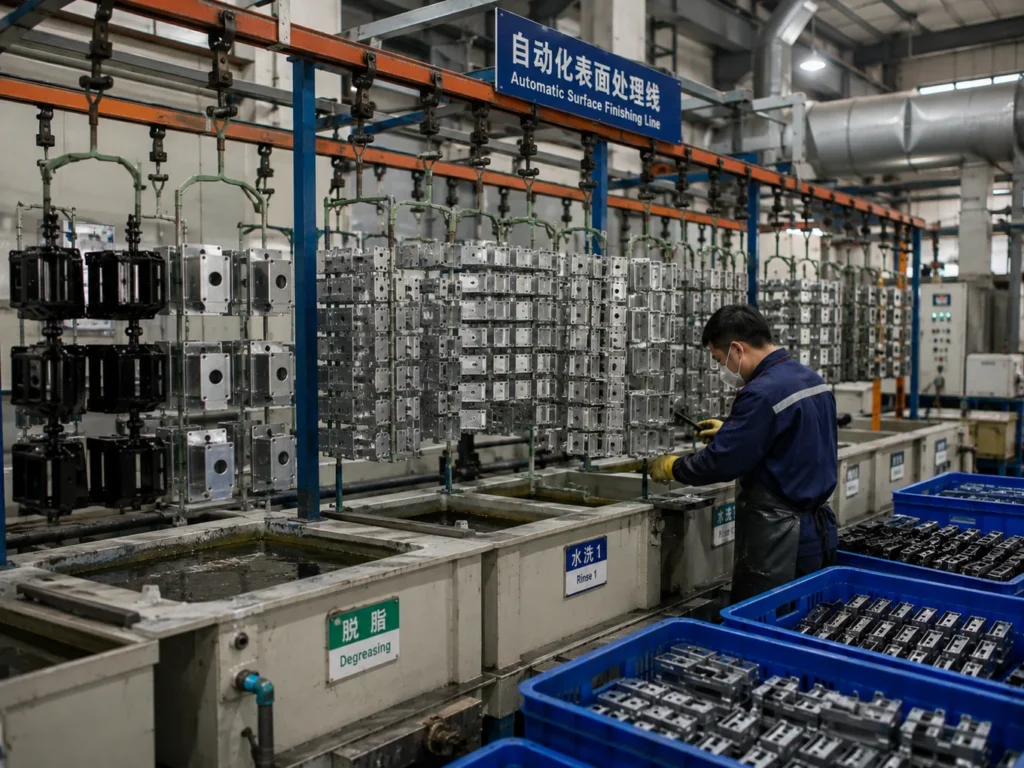
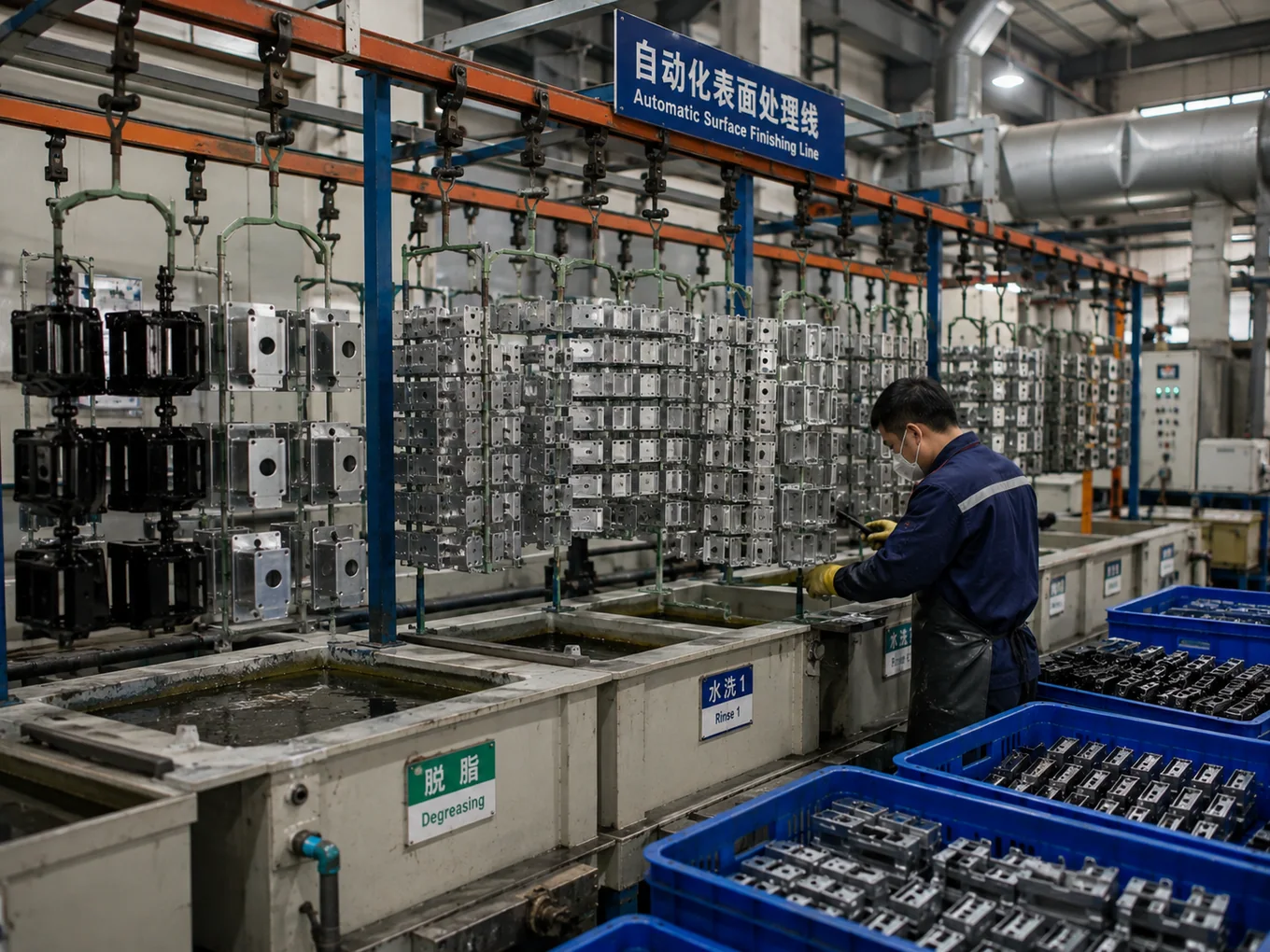
A surface finish change was planned for a repeat component because the original route was no longer the preferred production option. The first samples looked close under normal light, but the gloss and edge coverage were different when compared with the approved reference. The problem was found before shipment because the quality team compared the first-off parts with the retained sample instead of checking color alone.
The corrective action was to hold the changeover lot, record the new process parameters, repeat the appearance and adhesion checks, and ask for approval before mixing it with the next production run. The lesson was practical: a new finish needs its own release decision even when the part geometry has not changed.
Start With a Written Change Definition
“Use a different material” or “try another finish” is not enough for a controlled production change. State the current condition, proposed condition, reason, affected drawings, supplier or process, performance requirements, and effective lot. The supplier change notification process should make the scope visible to purchasing, engineering, quality, and production.
For metal parts, the change may involve alloy, temper, coating, anodizing, plating, polishing, or e-coating. For plastic parts, it may involve resin grade, color system, additive, mold condition, or a secondary operation. Each can change appearance, dimensional behavior, durability, or assembly fit.
Use Line Clearance and Lot Separation
Before the new condition starts, remove or identify remaining raw material, labels, work-in-process, fixtures, and packaging that belong to the old condition. Give the changeover lot a clear batch identity. This is basic line control, but it prevents a difficult question later: which parts were made before approval and which were made after it?
Keep old and new parts physically separated until the change is accepted. A mixed pallet may be efficient for storage but creates unnecessary receiving and warranty risk when the buyer cannot trace the finish or material condition.
Verify the Features That Can Move
Do not limit the check to the characteristic that triggered the change. A material or finish change can affect dimensions, hardness, adhesion, corrosion resistance, friction, color, gloss, burr behavior, or assembly fit. Use the drawing, approved sample, and relevant test plan to decide what must be rechecked. The quality control system should connect the result to the part revision and lot.
If the change affects a critical interface, the first-off part should go through the same functional check used for regular production. If it affects an appearance requirement, use the same viewing condition and reference sample that the buyer will use.
Define the Release Decision
A controlled change is complete only when someone with authority accepts or rejects it. Record the decision, date, part number, lot, evidence, and any limitations. If the buyer approves a temporary deviation, state its expiry or next review point. If the drawing must change, lock the revision before production continues. The guide to locking drawing revisions before OEM production helps prevent an approved change from being lost in email.
Buyer Checklist
- Describe the old and new material or finish in writing.
- Identify affected part numbers, drawings, lots, and suppliers.
- Require first-off samples before the new condition is mixed into stock.
- Check geometry, appearance, performance, and assembly interfaces as relevant.
- Keep old and new lots separate until approval is recorded.
- Define the effective date and the owner of the release decision.
FAQ
Does every change require a new drawing revision?
Not always. The answer depends on the customer specification and the effect of the change. Even when the drawing does not change, the change record and approval evidence should still be retained.
Can old and new lots be shipped together?
Only when the buyer has accepted the mixed condition and the lots remain traceable. Combining them without approval makes receiving and later investigation harder.
What is the most common changeover mistake?
Starting the new process before the old process is clearly closed. That creates mixed labels, mixed records, and uncertainty about which standard applies.
Conclusion
A controlled changeover gives the buyer and factory a clear boundary between the old and new condition. The approval record matters as much as the process change because it shows which lots are released and which still need review.
Need Help Controlling an OEM Changeover?
Send the current specification, proposed material or finish, affected part numbers, performance requirements, and target timing. Nbfeiyu can help define the first-off checks and release boundary before the next lot is produced.