
Procurement teams usually see the finished quotation, sample or shipment. Inside a factory, the important decisions happen earlier: material review, process planning, tooling, inspection setup, assembly control and packaging confirmation.
This article takes a factory-side view of one practical issue that can affect OEM cost, delivery or warranty performance if it is left vague before mass production.
Quick Answer
Buyers should define insert material, installation method, pull-out strength, torque requirement, boss design, inspection method and failure criteria before mass production.
Factory Failure Case
A plastic housing once passed dimensional checks, but the buyer found failures during service because the insert rotated inside the boss. The drawing showed the thread size but not the required installation method or torque resistance. The part was not simply defective; the requirement was incomplete.
The Insert Is Part of the Design
A threaded insert should not be treated as a generic fastener. Brass type, knurl pattern, outer diameter, insertion heat, plastic material and boss wall thickness all affect retention.
Installation Method Changes the Risk
Heat staking, ultrasonic insertion, press fitting and molded-in inserts behave differently. A factory needs to know which method is expected or whether it should recommend one during engineering review.
Pull-Out and Torque Tests Need Numbers
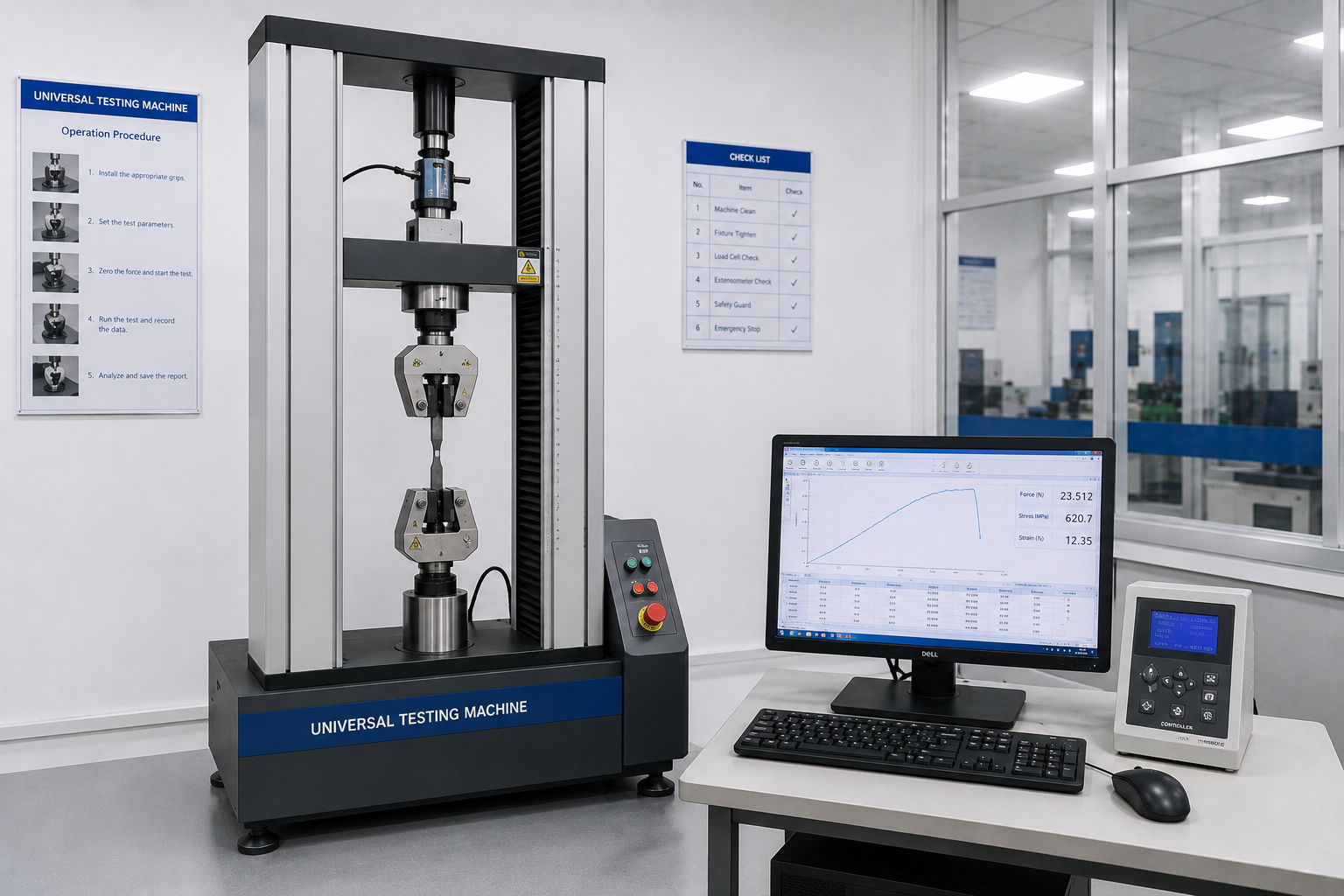
A note such as strong insert is not enough. Buyers should define pull-out force, torque limit, sample size and whether the test is destructive. This connects naturally with load and pull test validation.
Plastic Material Matters
PP, nylon, ABS and engineering plastics handle heat and stress differently. Insert retention should be reviewed together with material choice and molded-part design.
Inspection Should Include Function
Visual checks can confirm insert position, but they cannot prove retention. For higher-risk assemblies, functional torque or pull testing should be included in the control plan.
Nbfeiyu Factory Angle
Nbfeiyu handles custom metal and plastic components, assembly and quality control. For insert assemblies, the best RFQ includes plastic material, insert drawing, torque requirement, pull-out requirement and assembly use case.
Buyer Checklist
- Define insert material and thread size.
- Confirm installation method.
- State pull-out force and torque requirements.
- Review plastic boss design and wall thickness.
- Add functional testing for risky assemblies.
- Protect installed inserts during packing.
FAQ
Can the factory choose the insert type?
Yes, if the buyer provides function, load and torque requirements. Without those details, supplier selection becomes guesswork.
Do all inserts need pull-out testing?
No. Low-risk parts may not. Assemblies under load, vibration or repeated service should be reviewed more carefully.
Can insert failures come from plastic design?
Yes. Boss geometry, wall thickness, material and insertion heat can all cause weak retention.
Conclusion
The costliest OEM problems are often ordinary details that were not defined early enough. A better RFQ gives the factory enough information to control the process before parts reach final inspection.
For buyers, the goal is not to over-specify everything. It is to define the details that affect fit, function, appearance, repeatability and shipment risk.