
Quick Answer
Choose sheet metal when the design benefits from formed panels, metal mounting features, mechanical stiffness or a conductive structure defined by the equipment design. Consider molded plastic when the geometry, electrical isolation, integrated features or expected production volume justify tooling. Neither material is automatically better outdoors or safer for electrical equipment. The engineering specification must define the actual loads, temperature, ingress, corrosion, grounding and compliance needs.
Factory Scenario: A Low Unit Price Can Hide a Different Product
Imagine an equipment team comparing a folded metal cabinet and a molded housing from two suppliers. The metal quote includes a door, mounting plate, finish and hardware; the plastic quote assumes a mold investment and uses a different wall layout. The prices cannot be compared until both offers include the same usable space, mounting points, openings, seals, access and acceptance requirements.
This is an illustrative sourcing situation, not a report of a specific Nbfeiyu order. It reflects a common quotation problem: two materials may solve different versions of the design unless the buyer fixes the interfaces first.
Compare the Design Before Comparing the Process
Space and internal layout
List the components that must fit, their keep-out zones, cable routes, connector access, airflow or thermal constraints, and maintenance clearance. A box that meets the outside dimensions can still fail its purpose if the door, hinge or mounting plate blocks service access.
Mounting and load paths
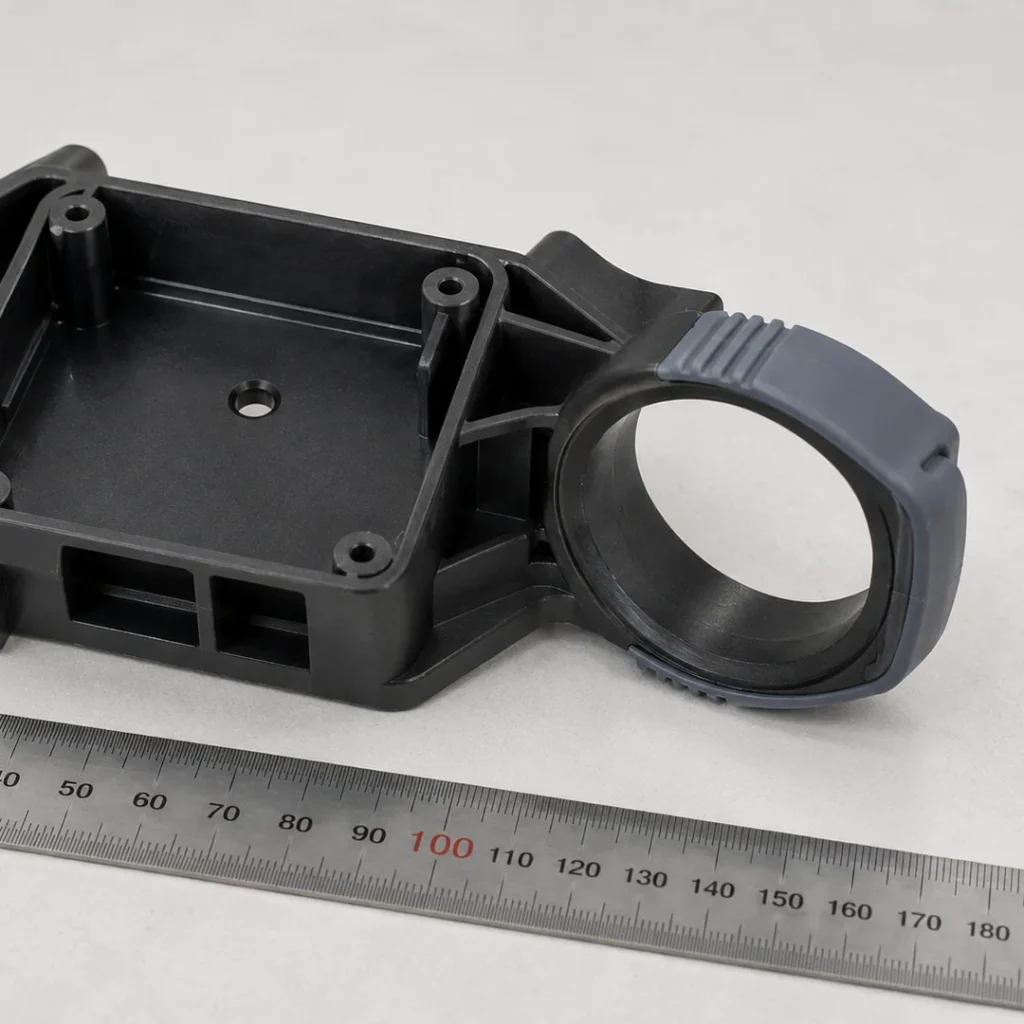
Identify how the enclosure attaches to a wall, frame, vehicle, machine or pole, and what loads act on those points. A formed metal panel may need local reinforcement; a plastic design may need ribs, bosses or inserts. The supplier should review the fastener, wall and support geometry rather than assume the nominal material strength answers the question.
Environment and surface requirements
Separate corrosion exposure, UV, chemicals, washdown, temperature cycling, impact and ingress protection. A coating or resin name alone does not prove performance for a particular site. State the exposure and the test or customer requirement that will be used to accept the part. Nbfeiyu’s electrical and telecom components page lists enclosure, cabinet and mounting applications with fabrication and finishing routes.
What Each Route Changes
| Decision point | Sheet metal | Molded plastic |
|---|---|---|
| Geometry | Panels, bends, welds, doors and separate hardware | Integrated ribs, bosses and shaped features, subject to mold design |
| Upfront investment | Usually centers on fixtures, programming and fabrication setup | Includes mold design and tooling; clarify ownership and maintenance |
| Design changes | May be practical for some panel or cutout changes, but revision impact must be reviewed | Changes to molded geometry can require tool modification and renewed validation |
| Assembly | May involve fasteners, hinges, gaskets and multiple panels | May integrate features, while inserts, seals and covers can still require assembly |
This table is a route comparison, not a universal cost rule. Annual volume, part size, finish, tolerances, tool life assumptions and packaging can reverse a first-pass choice. Ask for the quote assumptions to be stated clearly.
Build a Comparable RFQ
Issue the same controlled interface drawing to each supplier. Mark the critical mounting and sealing surfaces, specify material or approved alternatives, note finish and masking, identify included hardware, and state whether the vendor is quoting one component or a complete assembly. If engineering is still considering both materials, request separate routes with separate tooling and validation assumptions.
For metal routes, Nbfeiyu’s sheet-metal enclosure case shows a sequence from cutting and forming through welding, coating and fit check. For assembled products, the assembly and supply-chain capability describes coordination of purchased components, assembly and packaging. Quality-control planning should be tied to the drawing’s critical features and the buyer’s acceptance plan.
Normalize the Quote Before Award
Ask each supplier to separate one-time tooling or setup from the recurring enclosure price, then list the same purchased hardware, finishing operations, inspection records and packaging on both offers. Confirm whether quoted lead time starts after drawing approval, material release or purchase-order receipt. These details often explain a price gap better than a broad “metal versus plastic” comparison. For a molded route, clarify tool ownership, maintenance responsibility and what happens if a design revision changes a cavity. For sheet metal, confirm whether prototypes and production use the same fabrication sequence. Put unresolved assumptions in a comparison sheet and close them before commercial approval.
Buyer Checklist
- Define the enclosure’s function, installed location and internal component envelope.
- Identify mounting points, loads, access, cable routing and service clearances.
- Specify material grade or resin, thickness or wall approach, finish, color and visible surfaces.
- State any ingress, corrosion, UV, temperature, impact or electrical requirements and their acceptance method.
- Compare tooling and validation separately from recurring part price.
- Request DFM comments on the same drawing revision from every quoted route.
- Approve a representative sample and retain the exact material, finish and configuration record.
FAQ
Is plastic always cheaper at higher volume?
No. Tooling, part size, cycle assumptions, resin, secondary operations and demand certainty matter. Ask for the assumptions behind both the initial and recurring costs.
Can a metal enclosure meet an ingress requirement?
It may be designed for a specified requirement, but the complete configuration and test basis must be agreed. Material alone does not establish a rating.
Should the supplier choose the material?
The supplier can flag manufacturability and cost implications. The equipment designer should own application, safety and compliance requirements.
Conclusion
Start with what the enclosure must hold, support and withstand. Then compare fabrication routes on the same interfaces, finish, quality evidence and volume assumptions. That gives procurement a real choice instead of two prices for different designs.
Need a Route Review?
Share the enclosure drawing, environment, mounting details, target quantity and required evidence..