
Procurement teams usually see the quotation, sample or shipment. Inside a factory, the important decisions happen earlier: engineering review, process planning, inspection setup, assembly control and delivery coordination.
Quick Answer
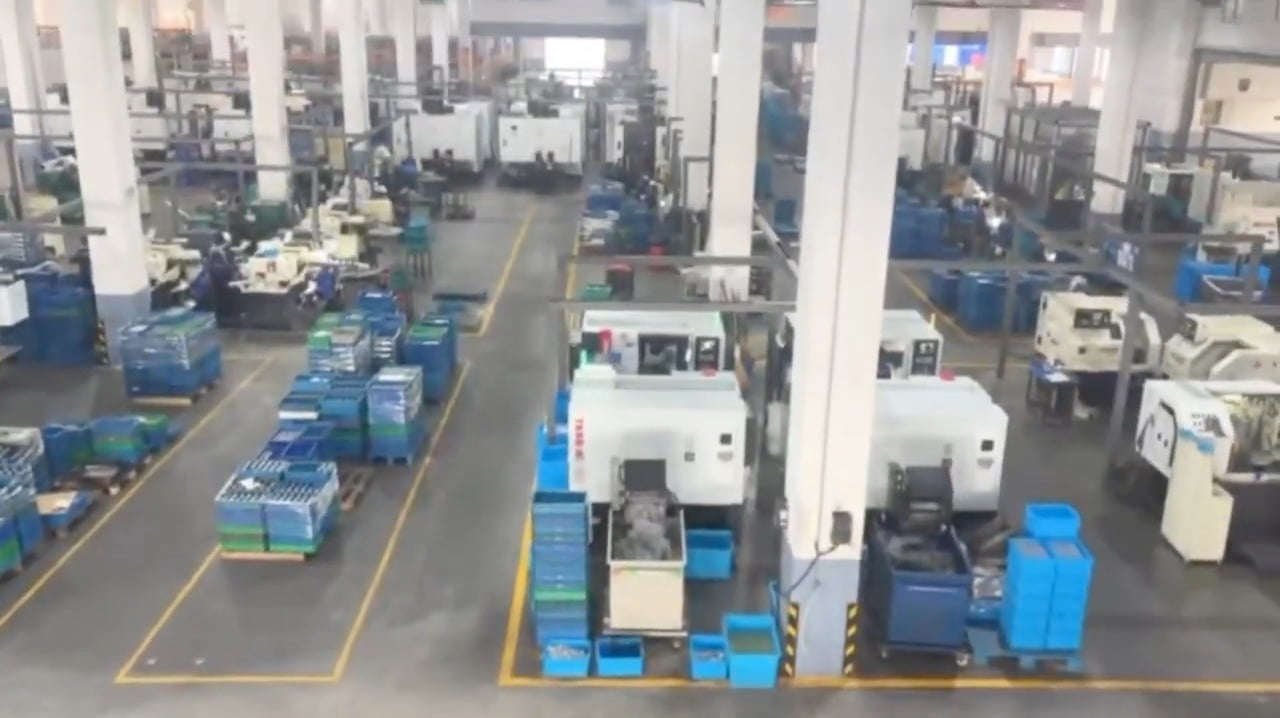
Use a run-at-rate review before launch when production volume, launch timing and supply continuity matter. Check actual output, yield, cycle time, staffing, inspection and material flow.
Factory Scenario
A line can produce good parts during a short demonstration and still miss a daily requirement over a full shift. The difference may come from tool changes, operator rotation, inspection time, material replenishment or packaging movement.
Define the Target Before the Review
State required output, shift length, acceptable yield, staffing and inspection coverage. A vague capacity target cannot be verified.
Measure the Whole Route
Include molding or machining, finishing, assembly, inspection, rework, packing and material movement. The slowest linked step controls the launch.
Yield Matters as Much as Pieces per Hour
High gross output with excessive rework does not create stable supply. Record first-pass yield, scrap, rework and reasons.
Confirm Documents and Reactions
A launch review should confirm control plans, work instructions, inspection records and reaction steps when output or quality falls below target.
Nbfeiyu Factory Angle
Nbfeiyu connects 20 production lines with R&D, design, production, QC and sales functions. A launch review is useful when buyers need evidence beyond a machine list.
Buyer Checklist
- Define output and shift assumptions.
- Measure the full process route.
- Record first-pass yield and rework.
- Confirm staffing and QC coverage.
- Review material and packaging flow.
- Agree actions before launch approval.
FAQ
Is a run-at-rate review the same as a factory audit?
No. An audit reviews systems and capability broadly. Run-at-rate focuses on whether a defined product route can meet a planned production pace.
Can it be done during a pilot run?
Yes. Pilot data often gives the clearest opportunity to adjust the route before launch.
Does the buyer need to be on site?
Not always. The factory can provide records and video evidence, but critical programs may benefit from joint review.
Conclusion
A sample proves that a part can be made. A run-at-rate review asks whether the factory can make it repeatedly at the required pace with the planned people, equipment and controls. Defining the requirement early helps engineering, production and QC teams act on the same information.
Need Help With This OEM Project?
Send launch volume, target date and process route. Nbfeiyu can help define a practical run-at-rate review before OEM production release.