
Procurement teams usually see the finished quotation, sample or shipment. Inside a factory, the important decisions happen earlier: material review, process planning, tooling, inspection setup, assembly control and packaging confirmation.
This article takes a factory-side view of one practical issue that can affect OEM cost, delivery or warranty performance if it is left vague before mass production.
Quick Answer
Buyers should define plastic grade, shrinkage assumptions, critical fit dimensions, rib and boss geometry, warpage limits, measurement method and first-article approval before releasing a mold to production.
Factory Failure Case
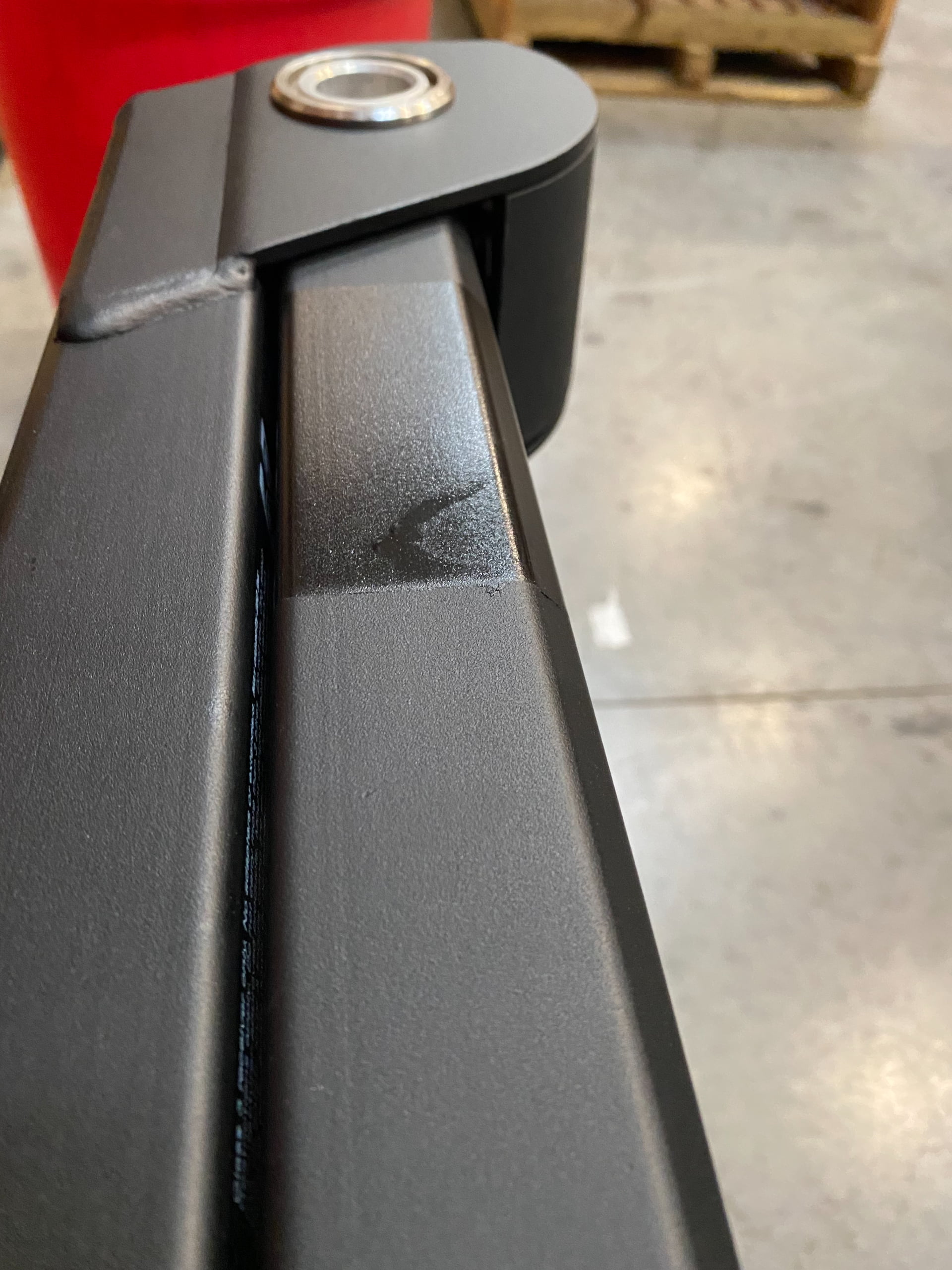
A plastic cover once measured within a general dimensional range, but it sat high on the mating housing. The problem came from a combination of material shrinkage and a rib that pulled the wall during cooling. Measuring only the outer length did not reveal the assembly risk.
Material Choice Changes the Molded Shape
PP, ABS, nylon and reinforced plastics do not shrink or cool in the same way. A material change can affect both dimensions and stiffness, so it should be reviewed before the tool is cut.
Critical Fit Features Need Priority
Do not treat every dimension as equally important. Identify locating bosses, snap features, screw towers, sealing edges and mating faces so the factory can focus tooling and inspection on the features that control assembly.
Ribs and Bosses Can Pull a Wall
Thick sections cool differently from thin walls. Ribs, bosses and local reinforcement can create sink or distortion that only becomes obvious during assembly. A design review can catch this earlier than a final inspection.
Measurement Condition Matters
A warm molded part may measure differently from a cooled part. Buyers should agree when parts are measured, how they are supported and which gauge or fixture represents the real assembly.
First Article Approval Should Include Fit
A first article is stronger when it is checked on the mating component, not only on a measuring machine. Functional fit reveals problems that a short dimensional report may miss.
Nbfeiyu Factory Angle
Nbfeiyu supports PP plastic components, automated injection molding, precision assembly and inspection. For molded parts, the RFQ should show the mating part, material, critical features and expected assembly force.
Buyer Checklist
- State the exact plastic grade and reinforcement.
- Mark mating faces, locating features and sealing edges.
- Review ribs, bosses and wall thickness before tooling.
- Define cooling and measurement conditions.
- Check first articles in the real mating assembly.
- Record approved material and mold revisions.
FAQ
Can shrinkage be eliminated in injection molding?
No. It is managed through material selection, tool design, process settings and inspection. The objective is stable fit within the agreed limits.
Should buyers send the mating component?
When fit is critical, yes. A mating sample, accurate CAD file or functional gauge gives the factory a much clearer target.
Does a dimensional report prove assembly fit?
Not always. A report is useful, but functional fit should be checked when clips, bosses, seals or alignment affect the product.
Conclusion
The costliest OEM problems are often ordinary details that were not defined early enough. A better RFQ gives the factory enough information to control the process before parts reach final inspection.
For buyers, the goal is not to over-specify everything. It is to define the details that affect fit, function, appearance, repeatability and shipment risk.