
Procurement teams usually see the quotation, sample or shipment. Inside a factory, the important decisions happen earlier: engineering review, process planning, inspection setup, assembly control and packaging confirmation.
Quick Answer
Review supplier capacity by process, production line, tooling, QC staffing, material availability, finishing schedule, assembly load and shipment window instead of asking only for a monthly quantity.
Factory Perspective
A repeat order can become difficult when machining capacity is available but finishing or assembly is already full. The bottleneck is often not the machine the buyer sees first. It may be inspection, purchased components, packing or a downstream treatment schedule.
Capacity Is a Chain
CNC, molding, welding, surface treatment, assembly, inspection and packing each have their own load. The final delivery date follows the constraint with the least available capacity.
Ask About the Actual Process Route
A factory should explain which steps are in-house, which depend on partners and which require dedicated fixtures or tooling. This creates a more realistic capacity discussion.
QC Staffing Is Part of Capacity
A batch cannot ship simply because production is complete. Inspection, reports, approval and packaging checks need time and trained staff.
Forecasts Help More Than Last-Minute Pressure
A non-binding forecast can help the factory plan material, labor and line loading. It should remain clearly separate from a confirmed purchase order.
Plan for Peaks and Engineering Changes
Buyers should discuss seasonal peaks, launch dates, engineering changes and expected order growth before the factory commits the schedule.
Nbfeiyu Factory Angle
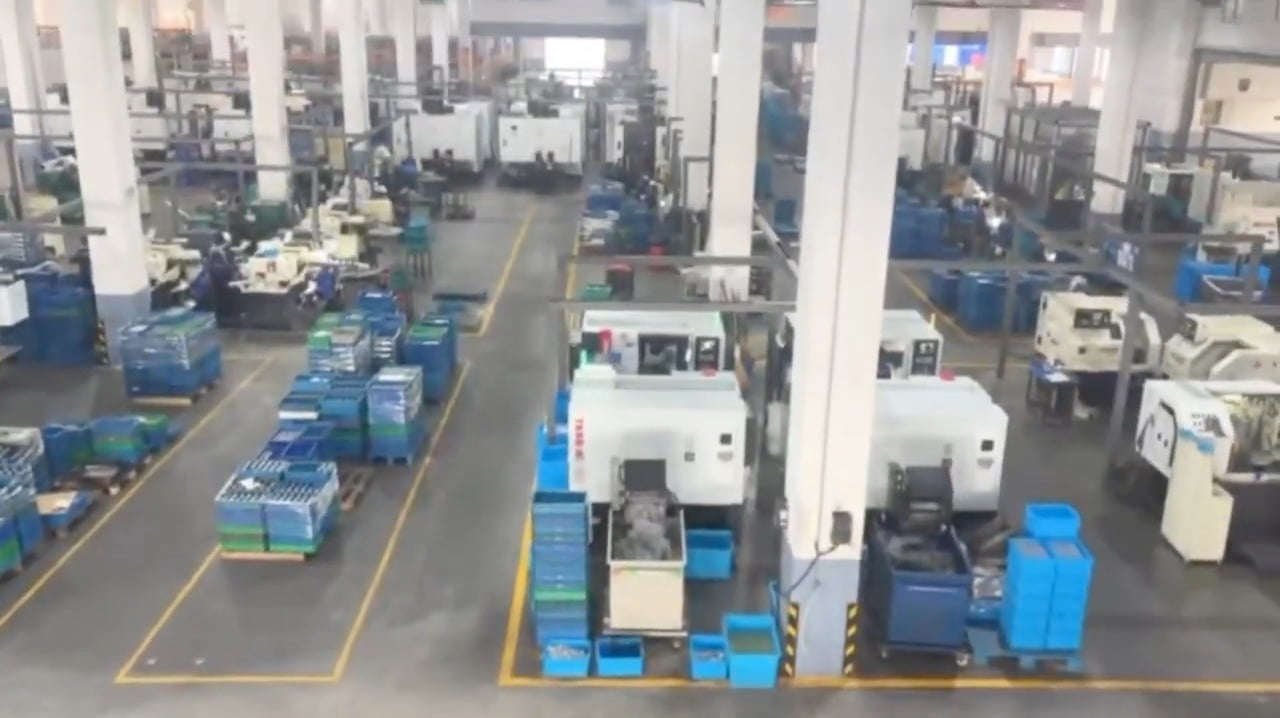
Nbfeiyu operates 20 production lines with dedicated R&D, design, production, QC and sales functions, supporting coordinated OEM/ODM capacity planning.
Buyer Checklist
- Map every process in the production route.
- Confirm line and tooling availability.
- Ask how QC and reporting capacity is planned.
- Share expected order timing and volume ranges.
- Separate forecasts from confirmed purchase orders.
- Discuss peak-season and engineering-change risk.
FAQ
Is machine count a reliable capacity measure?
No. Capacity also depends on fixtures, operators, materials, finishing, inspection and packing.
Should buyers share forecasts?
Yes, a clear forecast helps planning, but it should not be treated as a binding order unless formally confirmed.
What is the best time to discuss capacity?
Before sample approval or a major repeat order, when the factory can still adjust route and resources.
Conclusion
A supplier may handle one order well and still need a different capacity plan for monthly repeat production or a sudden volume increase. The earlier this requirement is defined, the easier it is for engineering, production and quality teams to control it consistently.
Need Help With This OEM Project?
Send forecast ranges, order timing and process requirements. Nbfeiyu can review capacity and bottleneck risk for repeat OEM production.