
What Causes Lead Time Delays in Custom Metal Parts Manufacturing?
Executive Summary
Lead time delays in custom metal parts manufacturing are usually caused by incomplete RFQ information, late drawing changes, material availability, unclear tolerances, tooling or fixture delays, overloaded production capacity, quality issues, surface treatment delays, inspection requirements, packaging problems, and logistics disruptions. Procurement managers can reduce delays by sending complete drawings, confirming material early, approving samples quickly, defining quality documents in advance, and choosing suppliers with strong project management. For OEM metal parts, lead time is not only production time. It includes engineering review, material sourcing, programming, tooling, first article inspection, production, finishing, assembly, packaging, and shipping.
Direct Answer
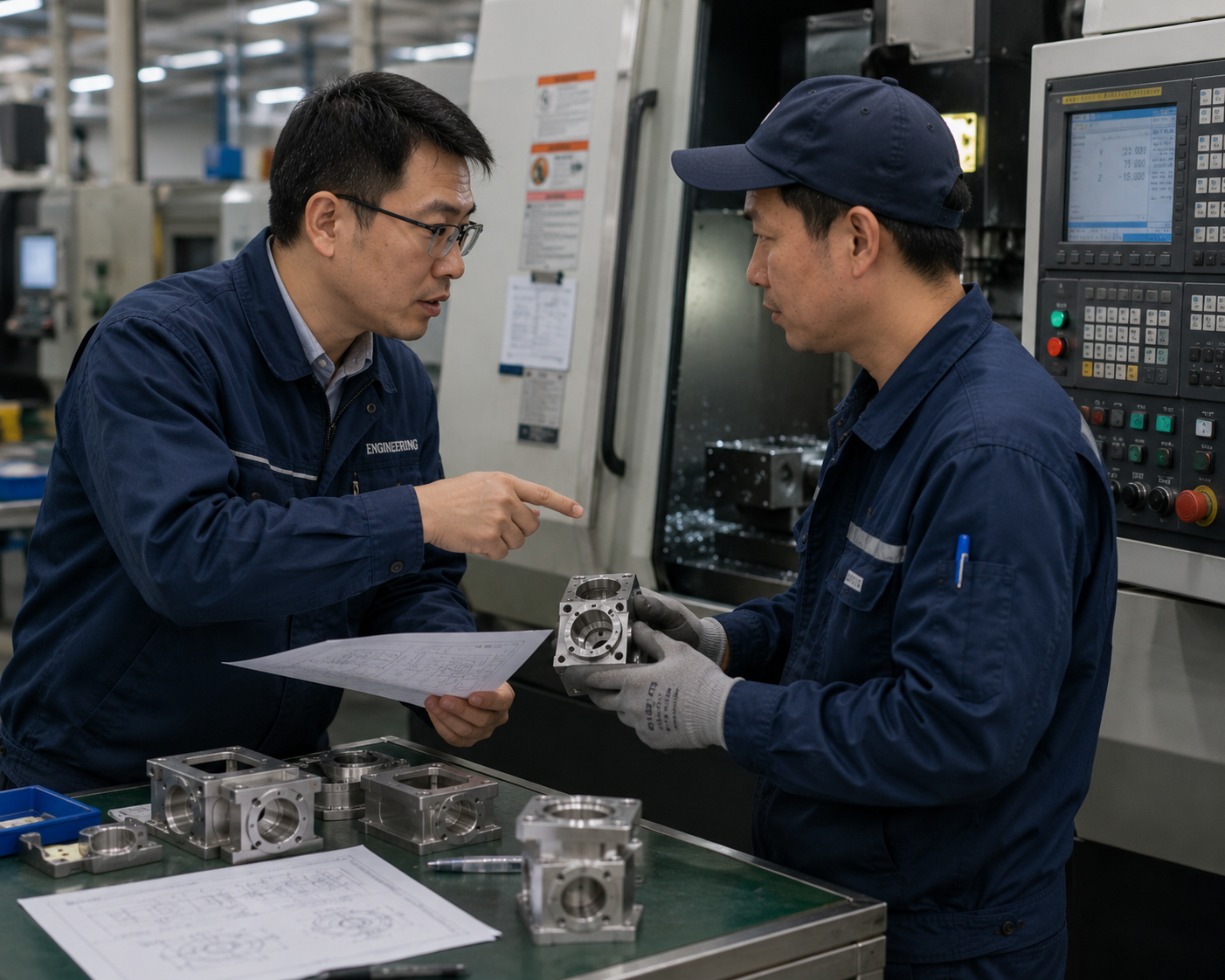
Common causes of lead time delays include:
- Incomplete drawings
- Late design revisions
- Material shortages
- Unclear tolerance requirements
- Fixture or tooling delays
- Supplier capacity constraints
- Failed first article inspection
- Surface finishing delays
- Missing quality documents
- Packaging changes
- Shipping or customs delays
Lead Time Breakdown
| Stage | Possible Delay |
|---|---|
| RFQ review | Missing drawings or unclear requirements |
| Engineering review | DFM questions and drawing revisions |
| Material sourcing | Special materials or long procurement time |
| Programming | Complex CNC toolpaths or unclear geometry |
| Tooling/fixtures | Custom fixtures or welding jigs |
| Production | Machine availability or setup problems |
| Inspection | Tight tolerance or CMM requirements |
| Surface treatment | Outsourced finishing queue |
| Assembly | Missing components or fit issues |
| Packaging | Special export packaging requirements |
| Logistics | Freight, customs, port, or holiday delays |
Engineering Causes
Late drawing changes are one of the most common causes of delay. If a supplier has already programmed CNC machining or made fixtures, a revision may require rework.
To reduce engineering delays:
- Freeze drawings before production
- Use clear revision numbers
- Mark critical dimensions
- Confirm material and finish
- Ask for DFM feedback early
Related resource: Engineering & R&D Capability
Material Causes
Some materials are not always available in the required size or grade. Special alloys, stainless steel grades, thick plates, or certified materials may require longer sourcing time.
Procurement managers should ask suppliers to confirm material availability before committing to lead time.
Quality Causes
Quality problems can delay shipment if parts fail inspection or require rework. Common issues include wrong dimensions, surface defects, thread problems, coating defects, welding distortion, or missing documentation.
Related resource: Quality Control
Surface Finishing Delays
Surface treatment is often outsourced or scheduled separately. Anodizing, electroplating, powder coating, passivation, painting, and e-coating can add time.
To reduce delays:
- Confirm finish during RFQ
- Define color and thickness
- Approve samples quickly
- Confirm masking requirements
- Clarify packaging for finished surfaces
Procurement Best Practices
- Send complete RFQ packages.
- Confirm material availability early.
- Ask for a realistic timeline by stage.
- Use first article inspection before mass production.
- Avoid late drawing revisions.
- Include quality document requirements upfront.
- Track production milestones.
- Build buffer time for finishing and shipping.
Common Mistakes
Counting Only Machining Time
Total lead time includes engineering, material, finishing, inspection, packaging, and logistics.
Changing Drawings After Supplier Starts
Late revisions can reset programming, fixture, and inspection work.
Ignoring Holidays and Shipping Peaks
International production schedules should account for public holidays, port congestion, and freight seasonality.
Not Approving Samples Quickly
Delayed sample approval delays production release.
FAQ
What is a realistic lead time for custom metal parts?
It depends on part complexity, material, quantity, finishing, inspection, and shipping method. Simple parts may be faster; complex OEM assemblies require more planning.
Can lead time be reduced?
Yes, by sending complete drawings, confirming materials early, approving FAI quickly, and avoiding late changes.
Why does surface finishing add time?
Finishing may require separate processing, curing, inspection, packaging, and sometimes rework if cosmetic standards are strict.
Can nbfeiyu help plan production lead time?
Yes. nbfeiyu can review drawings, material requirements, finishing needs, inspection scope, and quantity to recommend a practical manufacturing schedule.
Quick Answer
The practical answer depends on the part function, material, quantity, tolerance, finishing and inspection requirements. A factory review before production helps convert those requirements into a controlled process.
Buyer Checklist
- Define the part function and critical features.
- Confirm material, quantity, tolerance and finish.
- Agree sample approval and inspection standards.
- Record packaging and shipment requirements.
Need Help With a Custom Manufacturing Project?
Send drawings, samples, materials, quantity, tolerance, finishing, inspection and packaging requirements. Nbfeiyu can review manufacturability, process route, quality checkpoints and quotation details before production.