
Procurement teams usually see the quotation, sample or shipment. Inside a factory, the important decisions happen earlier: engineering review, process planning, inspection setup, assembly control and packaging confirmation.
Quick Answer
Review whether the control plan connects each critical requirement with a process check, measurement method, frequency, responsible team and reaction when results fail.
Factory Failure Case
A control plan can look complete while still missing the one feature that caused a field complaint. The plan listed dimensions and final inspection but did not connect a purchased material characteristic to the downstream failure. Good control plans follow the risk through the full process.
Start With the Drawing and Risk
Every critical drawing feature should have a corresponding control or a documented reason why it is controlled elsewhere.
Check Incoming Material Controls
Material grade, hardness, thickness, resin identification and certificates may need checking before production. Final inspection cannot repair an uncontrolled input.
Separate In-Process and Final Checks
Some risks are easier to detect at the machine or assembly station. Waiting until final inspection can increase sorting and rework.
Look for Measurement Frequency
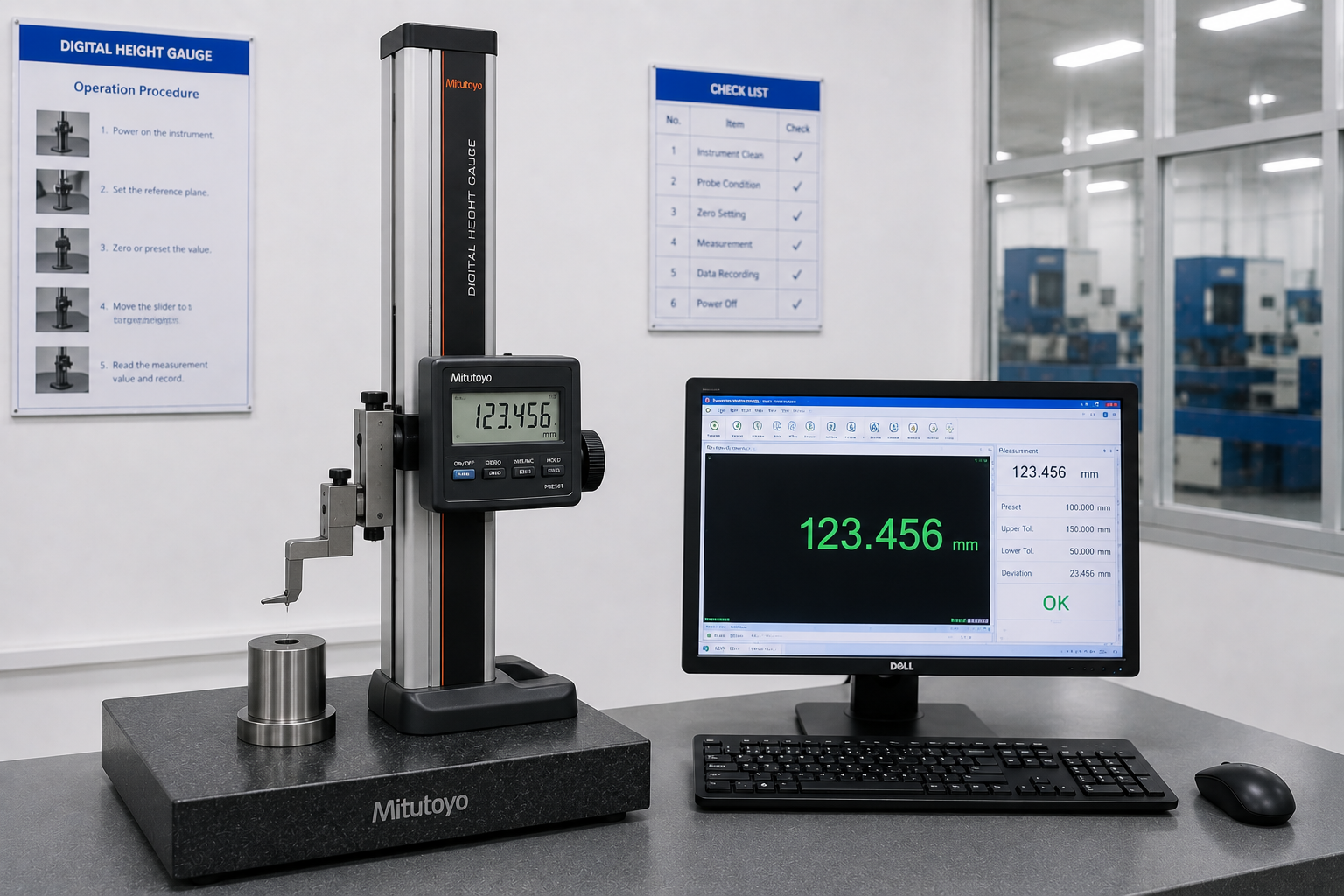
The plan should state how often a feature is checked and what sample or lot logic is used. One check at the beginning may not protect a long run.
Reaction Plans Make the Document Useful
A failed result needs a defined action: stop, segregate, adjust, re-inspect, notify or obtain approval. Without a reaction plan, the document is only a list.
Nbfeiyu Factory Angle
Nbfeiyu uses incoming material inspection, in-process control, precision assembly and 100% final inspection practices to connect production with quality assurance.
Buyer Checklist
- Map requirements to controls.
- Review incoming material inspection.
- Confirm in-process measurement points.
- Check frequency and sample logic.
- Define reaction for nonconforming results.
- Confirm records and approval responsibilities.
FAQ
Does a control plan replace final inspection?
No. It organizes controls throughout the process, while final inspection confirms the finished lot before shipment.
Should buyers approve the control plan?
For critical OEM programs, yes. It helps both sides agree what will be checked and what happens when results fail.
Can the plan change after a pilot run?
Yes. Pilot data may show that a checkpoint, frequency or reaction plan needs adjustment before repeat production.
Conclusion
A production control plan shows how a factory intends to prevent, detect and respond to risks across the manufacturing route. The earlier this requirement is defined, the easier it is for engineering, production and quality teams to control it consistently.
Need Help With This OEM Project?
Send your drawing, critical features and inspection expectations. Nbfeiyu can review a production control plan before mass production.