
Quick Answer
Ask the factory to show material preparation, machining or molding, secondary operations, inspection, assembly, packaging, and shipment release as separate steps. The schedule should make clear which dates are fixed, which depend on approval, and where a delay would affect shipment.
Factory Scenario
A repeat order looked easy because the machining time was familiar. The delivery date moved when the finishing partner had to wait for a consolidated batch and the buyer had not released the updated packing label. The machine schedule was not the problem. The missed handoffs were. The factory corrected the plan by adding approval dates for finish, labels, and final inspection instead of showing one broad production window.
Read the Handoffs, Not Only the Machine Time
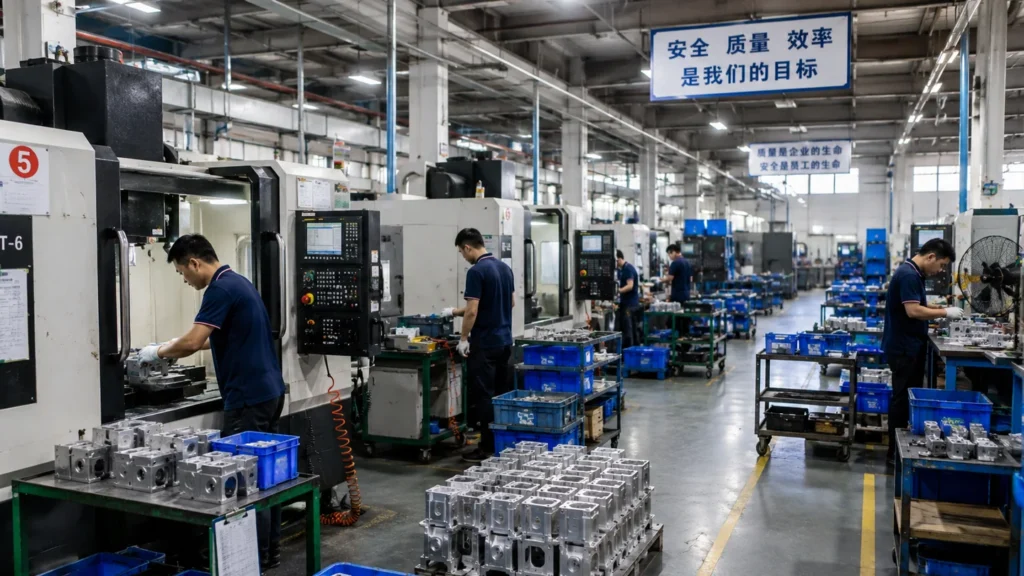
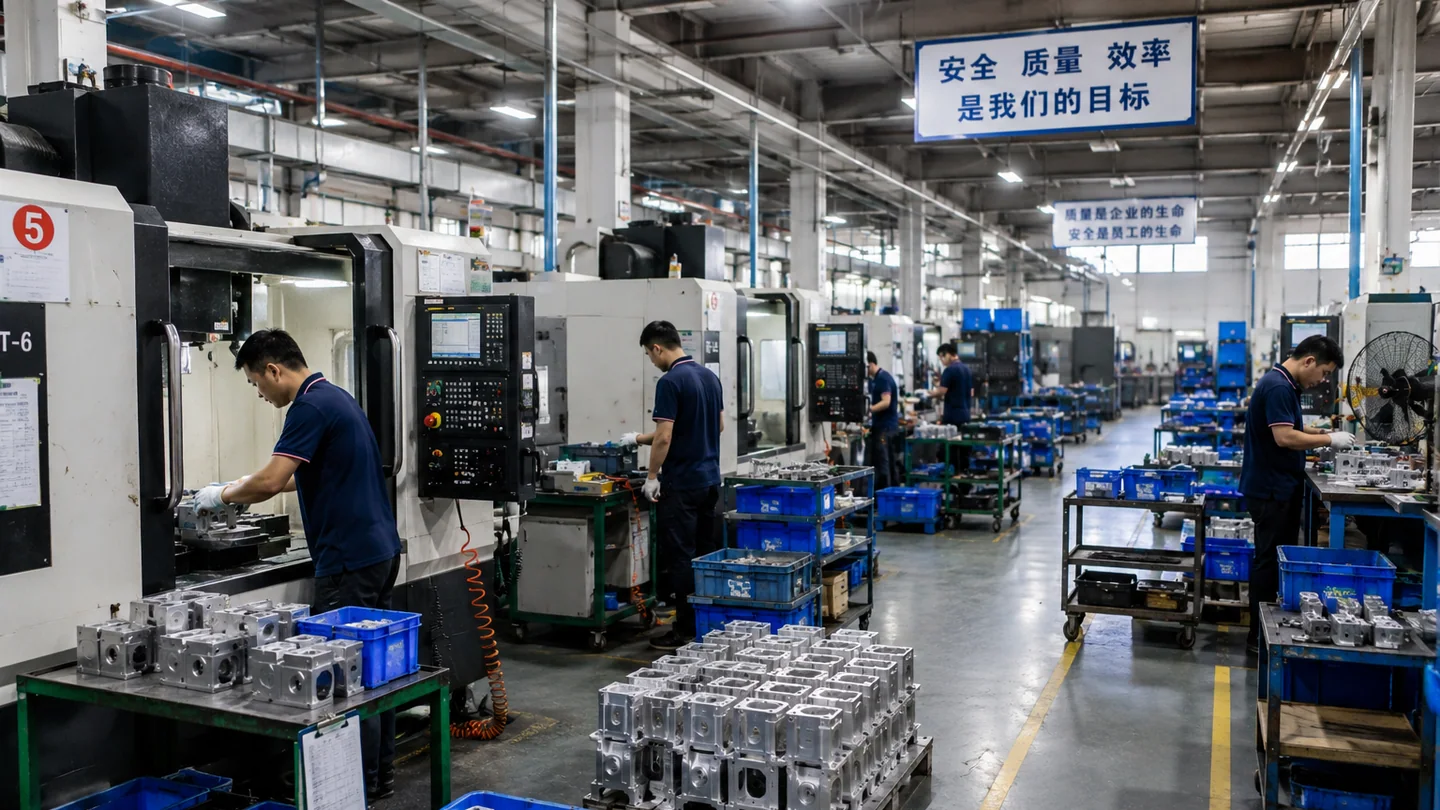
For a custom metal or plastic part, the visible machine time may be only one part of the route. Material inspection, mold preparation, fixture availability, deburring, coating, plating, assembly, and final inspection can each create a queue. The assembly and supply chain process should make these transitions clear.
Ask whether the same line, mold, fixture, and inspection method will be available for the repeat order. A factory may be able to produce the quantity, but not necessarily in the exact week requested without an agreed capacity reservation.
Separate Buyer-Driven and Factory-Driven Dates
Some dates depend on the supplier: raw material arrival, machine loading, production, inspection, and packing. Others depend on the buyer: drawing approval, sample approval, artwork, packaging labels, delivery instructions, and disposition of deviations. Put both types on the schedule. This prevents a supplier from carrying an unresolved buyer decision inside a promised ship date.
Use Approval Gates
For a new or changed part, include a drawing freeze, sample approval, first-piece review, finish approval, and shipment release. The first article inspection process and shipment release package should be visible in the plan, not treated as paperwork after production.
Buyer Checklist
- Request a route-based schedule instead of one total lead-time number.
- Mark all buyer approval dates and document owners.
- Ask which steps are outsourced or shared with other orders.
- Confirm capacity for repeat production, not only the first batch.
- Define what happens if a date or inspection gate is missed.
FAQ
Is a shorter quoted lead time always better?
No. A short number without visible inspection, finishing, and approval steps can hide risk. A slightly longer schedule with clear control points is often easier to manage.
Should the buyer request daily updates?
Usually not. Weekly milestone updates and exception reporting are more useful than repeated messages that do not change the decision.
Conclusion
A repeat-order schedule should be a shared control document, not just a promised date. It should show the next decision, the owner, and the effect of a delay so purchasing and production can act before shipment is at risk.
Need a Repeat-Order Production Schedule?
Send the part list, forecast, required ship date, approval gates, and packaging requirements. Nbfeiyu can map the manufacturing route and identify the dates that need buyer or factory action.