
Quick Answer
Before quoting, identify notes about orientation, sequence, torque, adhesive, fit, burrs, cosmetic protection, and inspection. Then connect the critical notes to a work instruction or verification method so the process can be priced and planned accurately.
Factory Scenario
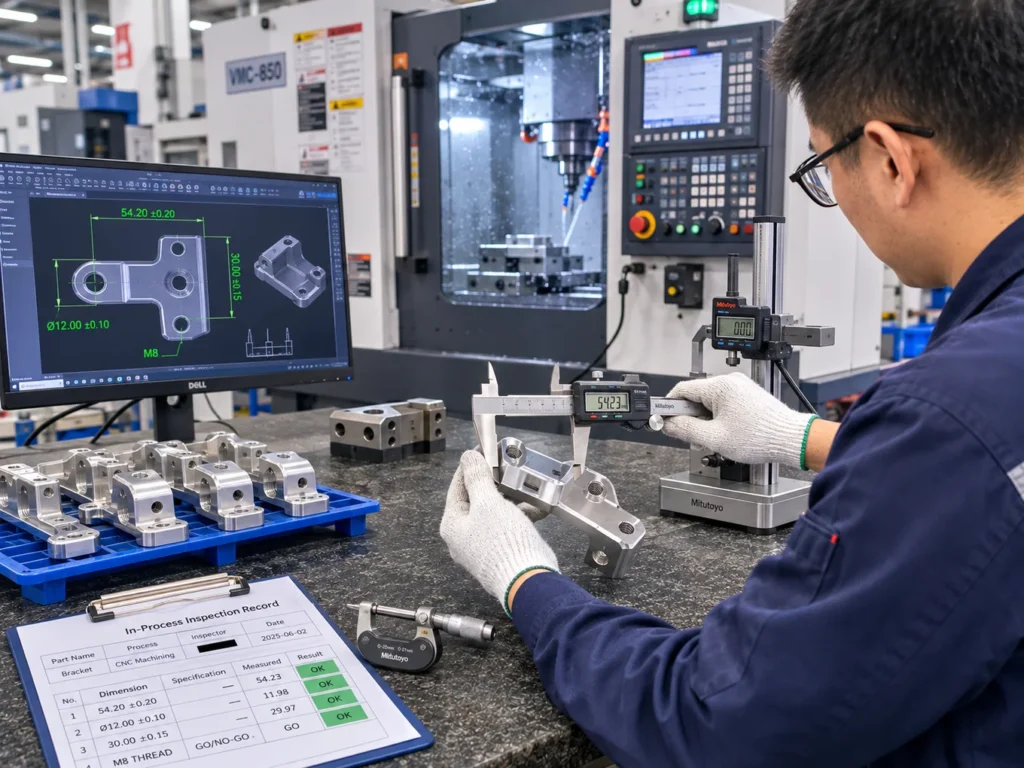
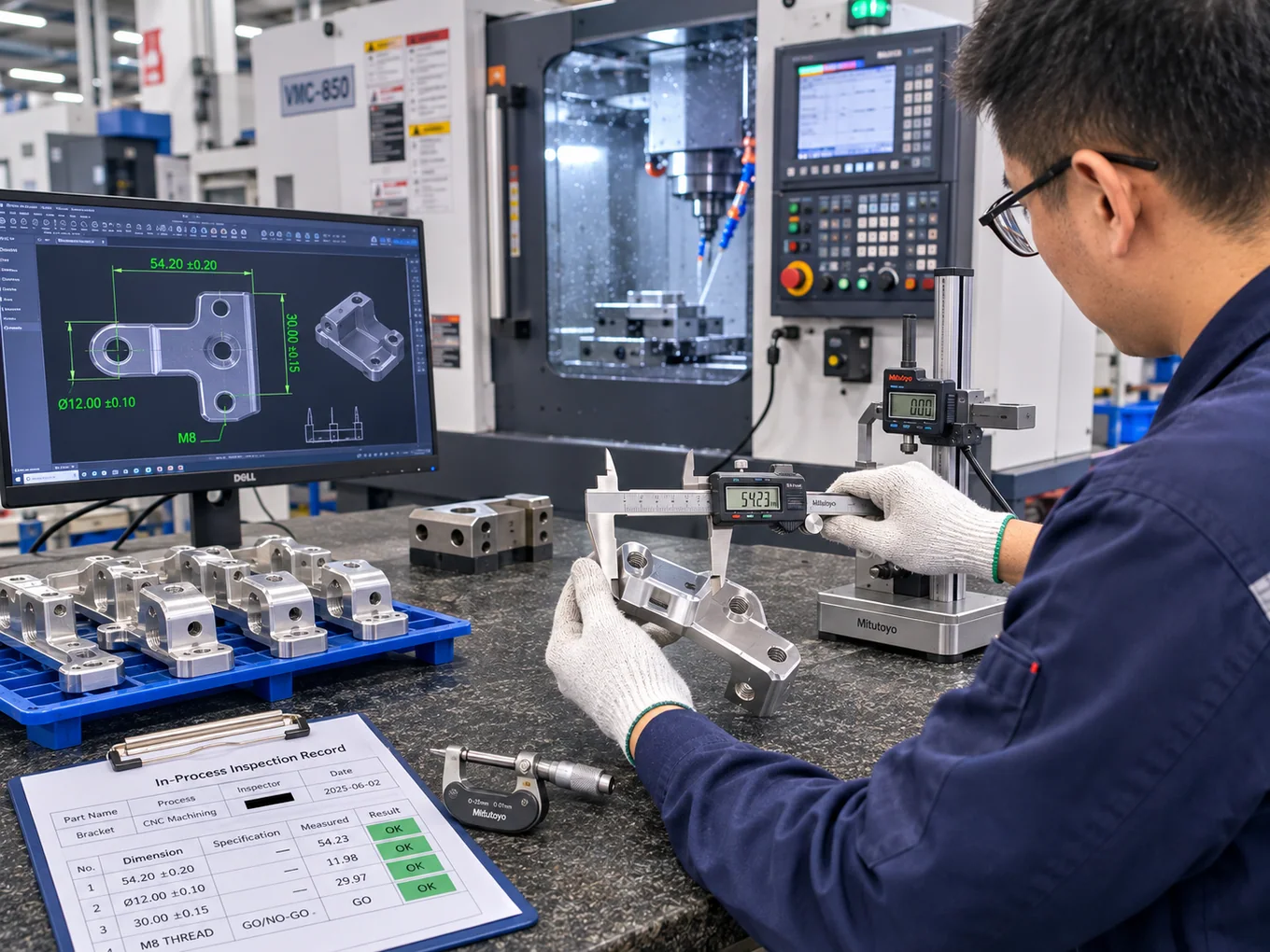
A small bracket drawing called for a fastener to be installed from one direction, but the note was easy to miss beside a general assembly instruction. The part itself was correct. The problem appeared when operators tried to load it into a fixture: the first orientation made the next operation awkward and added handling time. During the review, the factory marked the orientation, added a simple visual aid, and confirmed the sequence before the pilot run.
Notes That Change the Process
Some notes affect material or machining. Others affect what happens after the part leaves the machine. Assembly direction, thread engagement, adhesive cure time, torque, press-fit force, and protection of cosmetic faces can all change the route. A note that sounds minor to a buyer can require a dedicated fixture or an additional check on the line.
Review these notes together with the assembly and supply chain capability, not separately from it. The factory needs to know whether the part is supplied loose, kitted, partially assembled, or delivered as a finished module.
Separate Critical Notes from General Guidance
Use a clear priority system. A functional requirement should be tied to a measurable acceptance method. A cosmetic instruction should state the visible area, lighting expectation, and acceptable variation. A handling note should identify when protection is required. This makes the quality control system easier to apply and reduces disagreements between production and purchasing.
What Buyers Should Ask the Factory
- Which drawing notes change cycle time or operator sequence?
- Does any note require a fixture, gauge, or special tool?
- How will the note be shown in the work instruction?
- What evidence will be recorded during the pilot run?
- Will the same requirement apply to outsourced finishing or assembly?
Buyer Checklist
- Mark assembly orientation and critical sequence.
- Define torque, force, adhesive, or cure requirements.
- Identify cosmetic surfaces that need protection.
- Connect each critical note to an inspection or functional check.
- Ask the supplier to confirm questions before quotation approval.
FAQ
Should every drawing note be added to the inspection report?
No. Notes that affect function, fit, safety, appearance, or compliance should have an appropriate verification method. General handling guidance may belong in the work instruction instead.
Can a buyer add notes after the quote?
Yes, but a new note may change process time, tooling, packaging, or price. It should be reviewed before the production route is frozen.
Conclusion
A good drawing review turns engineering notes into clear actions for production, inspection, and assembly. That small step helps the factory quote the work honestly and gives the buyer a better chance of avoiding preventable delays.
Need a Drawing and Assembly Review?
Send the drawing, assembly notes, expected volume, and critical fit requirements. Nbfeiyu can review which notes affect the production route and how they should be verified.