
Functional Testing Before Packaging: What OEM Buyers Should Define
Before packaging OEM assemblies, define what function must be checked, how it should be tested, how often it should be tested, what result is acceptable and what records are required. Depending on the product, testing may include fit, movement, torque, load, leak, electrical, label, appearance and packaging checks.
Introduction
Many assembly problems are not obvious when a product is sitting on a table. The surface may look good. The parts may be complete. The carton may be clean.
Then the buyer receives the shipment and finds that a hinge is too tight, a screw loosens too easily, a seal does not fit, a bracket does not align during installation or a label is on the wrong side.
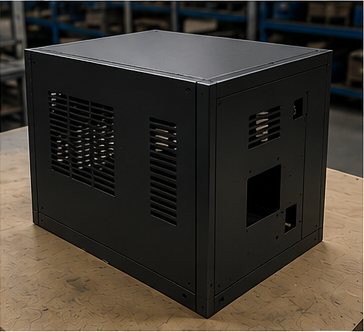
Those are the problems functional testing is meant to catch before packaging, not after delivery.
Quick Answer
Before packaging OEM assemblies, define what function must be checked, how it should be tested, how often it should be tested, what result is acceptable and what records are required. Depending on the product, testing may include fit, movement, torque, load, leak, electrical, label, appearance and packaging checks.
1. Visual Inspection Is Not Enough
Appearance inspection is necessary, especially for visible automotive accessories, metal hardware and finished OEM products. But it does not confirm everything.
A product can look acceptable and still fail during installation or use. The inspection plan should include the practical function that matters to the buyer’s customer.
For mechanical products, this may mean movement, fit, alignment, fastening strength or torque. For other assemblies, it may mean electrical checks, leak checks or load-related review when applicable.
2. Testing Should Match the Product
Not every product needs the same test. Avoid vague requirements such as “test before shipment” without saying what the test actually means.
Useful questions include:
- What should move, fit, lock, rotate or hold?
- Which fasteners need torque control?
- Is there an installation position that must be checked?
- Is a load, leak or electrical test required?
- Should every unit be tested or only samples from each batch?
- What photos, reports or records should be provided?
Nbfeiyu’s Mechanical Assembly capability includes fixture positioning, torque control when required, in-process inspection, functional verification and final inspection.
3. Define the Standard Before Mass Production
The best time to define testing is before sample approval or mass production release. At that stage, the factory can prepare fixtures, gauges, tools, work instructions and inspection points.
If testing is added after mass production starts, the line may need to stop, rework may increase and delivery may be affected.
The approved sample should become the reference for fit, movement, finish, labels and packaging. This makes inspection less subjective.
4. Packaging Can Hide Problems
Once the product is packed, some checks become harder. Accessories may be inside sealed bags. Labels may be covered. Protective materials may hide scratches or wrong orientation.
Final inspection before packaging should confirm product condition, part completeness, labels, accessories, function and packaging readiness.
After packaging, carton marks, quantity, protection, pallet condition and export shipping requirements should also be checked.
5. Testing Reduces After-Sales Cost
Poor testing does not always create a visible problem at the factory. It creates a problem later: sorting at the buyer warehouse, returns from distributors, installation complaints, warranty claims or brand damage.
For large OEM orders, even a small defect rate can be expensive if the issue reaches the market.
Testing before packaging is not only a quality-control step. It protects the buyer’s sales channel.
6. What to Send in the RFQ
For an assembly project, send drawings, BOM, material requirements, purchased part specs, samples or photos, testing requirements, packaging requirements, target quantity and annual demand.
If you are not sure which test is necessary, explain how the product is used. A factory with engineering and assembly experience can then suggest reasonable inspection points.
Related pages: Assembly & Supply Chain, Quality Control and Contact Nbfeiyu.
Conclusion
Functional testing should be simple, clear and tied to the way the product is used. The goal is not to add unnecessary inspection. The goal is to catch real assembly problems before packaging and shipment.
For OEM buyers, a clear test standard helps the factory quote more accurately, prepare the right process and avoid preventable after-sales problems.
CTA: Need an OEM assembly review? Send Nbfeiyu the BOM, drawings, samples, testing needs and packaging standard so our team can review the project before production.
Buyer Checklist
- Define the part function and critical features.
- Confirm material, quantity, tolerance and finish.
- Agree sample approval and inspection standards.
- Record packaging and shipment requirements.
FAQ
What should buyers send for review?
Send drawings, models, material details, quantity, finish and any inspection or packaging requirements.
Why involve the factory before production?
Early review can identify process, fit, finishing, inspection and delivery risks while changes are still manageable.
Need Help With a Custom Manufacturing Project?
Send drawings, samples, materials, quantity, tolerance, finishing, inspection and packaging requirements. Nbfeiyu can review manufacturability, process route, quality checkpoints and quotation details before production.