
Finished Assembly vs Multiple Component Suppliers: What OEM Buyers Should Compare
Finished assembly is worth considering when the product includes custom parts, standard hardware, sourced components, testing, labels and export packaging. The value is not only labor. The value is having one team coordinate manufacturing, sourcing, incoming QC, warehouse control, kitting, assembly, final inspection and shipment preparation.
Introduction
Some OEM buyers like to buy every component separately and keep final assembly close to their own market. On paper, that looks controlled. Each part has its own supplier, its own quotation and its own delivery schedule.
The trouble usually shows up later. One supplier is late by a week. Another part passes inspection by itself but feels tight when it is fitted with the next component. A purchased item arrives with a slightly different finish. Packaging is still based on loose parts, not the finished product. At that point, the buyer is no longer just buying parts; they are running the project.
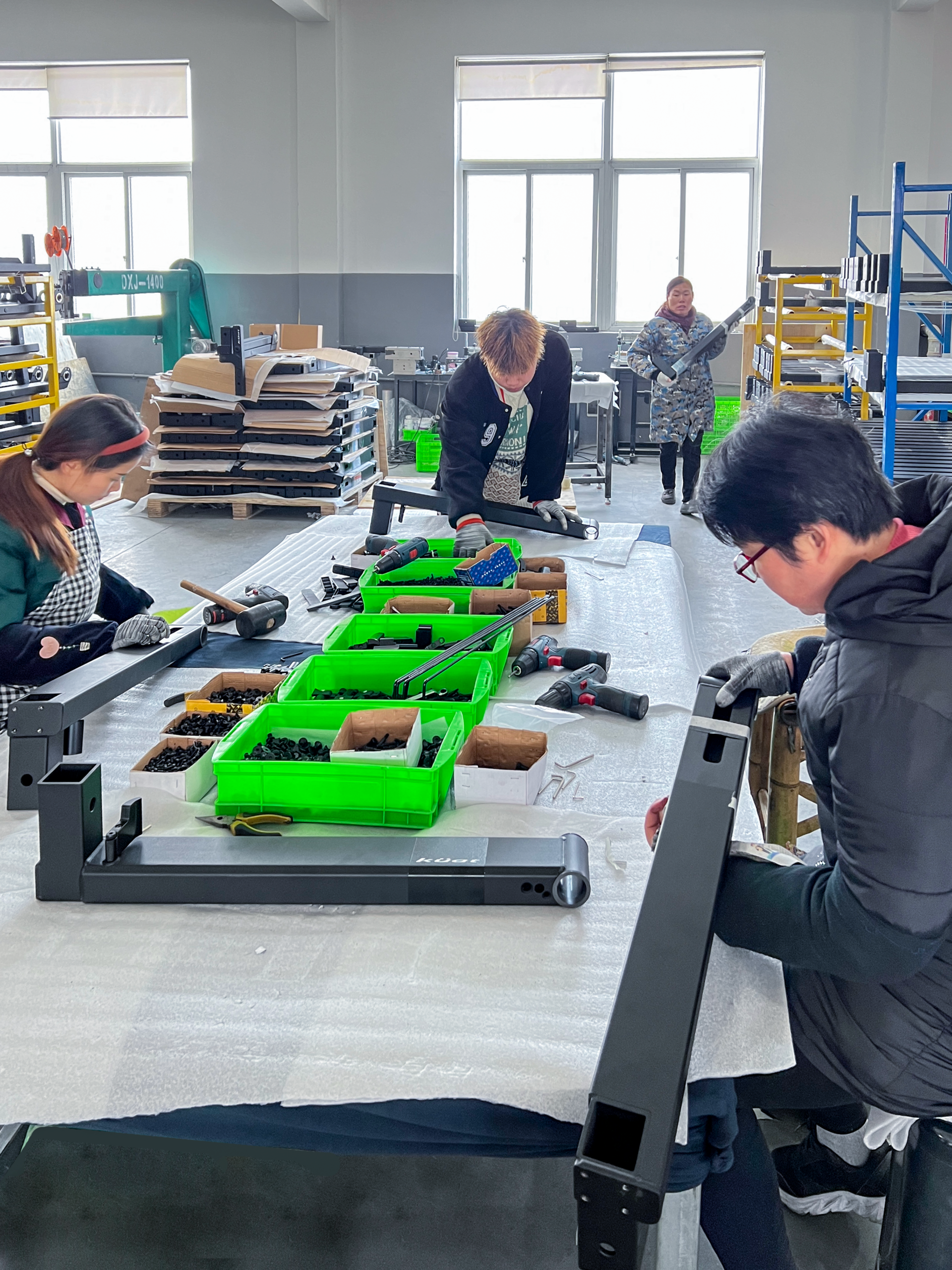
That is when many buyers start asking whether a finished assembly model would be easier to control.
Quick Answer
Finished assembly is worth considering when the product includes custom parts, standard hardware, sourced components, testing, labels and export packaging. The value is not only labor. The value is having one team coordinate manufacturing, sourcing, incoming QC, warehouse control, kitting, assembly, final inspection and shipment preparation.
1. The Real Cost Is Not Only Unit Price
When several suppliers are involved, the buyer may save money on one line item. The full cost is different. It includes supplier follow-up, inspection work, freight between suppliers, shortage handling, rework, repacking, schedule changes and responsibility disputes.
For a simple component, separate sourcing can make sense. For a finished OEM product or sub-assembly, the question is different: who owns the result when all parts must work together?
At Nbfeiyu, the Assembly & Supply Chain work is built around this kind of order: custom parts, purchased components, inspection, assembly and packaging all need to be connected before shipment.
2. Multiple Suppliers Create More Handoffs
Every handoff gives information a chance to go missing. Drawings may be interpreted differently. A supplier may change packaging without telling the buyer. A surface finish may be acceptable on a hidden component but not on a visible finished product.
In a one-part order, these details are easier to isolate. In an assembly project, they stack up. A late bearing, wrong screw length or slightly thick coating can stop the whole assembly line.
A single assembly partner will not remove every risk, but it gives the buyer one project owner for schedule, part readiness, quality checks and shipment preparation.
3. Incoming Inspection Matters Before Assembly
Final inspection is important, but it is a late place to find the wrong purchased component. By then, labor has already been spent.
Incoming QC should check dimensions, appearance, surface treatment, quantity, packaging condition and supplier documents when required. Approved parts should then be stored by project, part number and assembly schedule.
This is the point where supply chain work becomes manufacturing work. It is not just buying parts. It is making sure each part is ready for the line.
4. Kitting Helps Prevent Shortages and Mix-Ups
For assembly projects, kitting is easy to underestimate. A kit can include custom metal parts, fasteners, bushings, bearings, handles, labels, accessories and packaging materials.
If these parts are not identified and prepared before release, operators may lose time waiting for missing components. Worse, they may use the wrong component if several versions look similar.
Project-based storage and kit preparation catch many of these mistakes before assembly starts.
The buyer and factory need one full product standard, not only separate component standards. That standard may cover fit, movement, torque, appearance, label position, carton marks, protective packaging and the required test method.
For repeat OEM orders, this standard is what keeps later shipments from drifting. It also reduces after-sales disputes because both sides know what should be checked before shipment.
Related internal pages buyers can review include Quality Control, Mechanical Assembly and Contact.
Buyer Checklist
- Does the product require custom parts and purchased parts?
- Who will inspect purchased components before assembly?
- Are parts stored and identified by project and part number?
- Is there an approved sample or assembly reference?
- Are fixtures, work instructions or gauges required?
- What functional tests should be done before packaging?
- Who controls labels, carton marks and export packaging?
Conclusion
Managing several component suppliers can work for simple projects. For multi-part OEM products, finished assembly often gives buyers cleaner control over schedule, quality ownership and shipment readiness.
The useful question is simple: can the supplier explain how drawings, BOM, sourcing, incoming QC, storage, assembly, testing, final inspection and packaging are controlled? If not, “one-stop” is only a sales phrase.
CTA: Planning a finished OEM assembly project? Send Nbfeiyu the drawings, BOM, component list, test requirements and packaging standard. We can review where assembly risk may appear before quotation.
FAQ
What should buyers send for review?
Send drawings, models, material details, quantity, finish and any inspection or packaging requirements.
Why involve the factory before production?
Early review can identify process, fit, finishing, inspection and delivery risks while changes are still manageable.
Need Help With a Custom Manufacturing Project?
Send drawings, samples, materials, quantity, tolerance, finishing, inspection and packaging requirements. Nbfeiyu can review manufacturability, process route, quality checkpoints and quotation details before production.