
Packaging is often discussed at the end of an OEM project, after engineering and production decisions are already fixed. That is when changing the pack can become expensive. The better time is when the part, finish and shipping route are being reviewed together.
Quick Answer
Validate packaging with the actual part, quantity, separators, labels, pallet or carton configuration and expected route. Check movement, abrasion, moisture exposure, stacking and loading before approving the standard pack.
A Good Part Damaged by a Weak Pack
Machined parts left the line with the required finish, but pieces could touch during transport because the internal divider was too flexible. The damage was not visible in the factory’s final inspection. It appeared after repeated handling and vibration during export movement.
Start With the Product Risk
Sharp edges, cosmetic finishes, threaded features, coated surfaces and assembled mechanisms need different protection. Packaging should protect the characteristics the buyer is paying to receive.
Consider the Route and Handling
Sea, air, truck and mixed routes expose goods to different vibration, humidity, stacking and handling conditions. The packaging decision should match the real distribution path where possible.
Control Quantity and Identification
Pack quantity, inner labels, outer labels, lot information and pallet markings should be clear enough for receiving and inventory teams to work without reopening every carton.
Inspect the Pack Before Release
Check carton condition, separators, moisture protection, labels, quantity and loading stability as part of shipment approval. A final product inspection does not replace a packaging check.
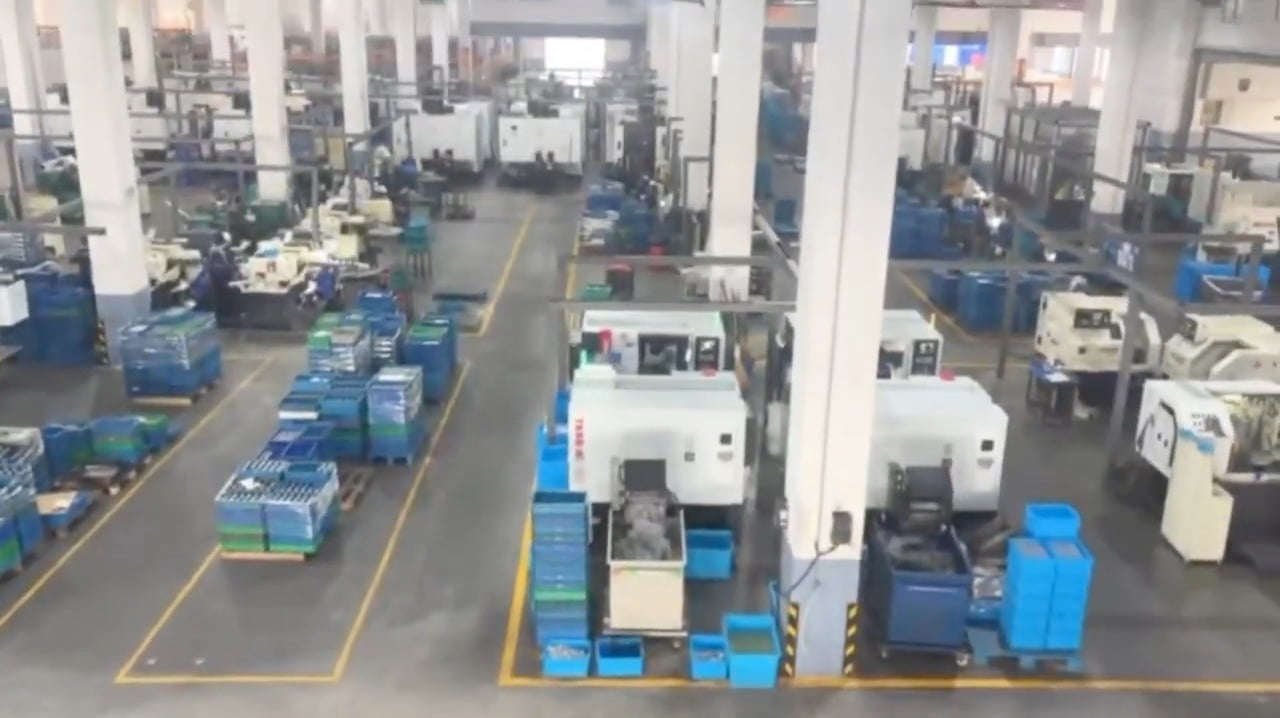
Nbfeiyu Factory View
Ningbo’s proximity to Ningbo-Zhoushan Port supports efficient global logistics, but port access does not remove the need for a packaging standard that protects parts through the full route.
Buyer Checklist
- Identify the part and finish risks.
- Define inner protection and separator strength.
- Confirm quantity and labels.
- Review moisture and abrasion protection.
- Check carton, pallet and loading stability.
- Approve packaging with an actual packed sample.
FAQ
Is export packaging the same as domestic packaging?
Not necessarily. Export shipments may involve longer routes, more handling, different humidity and more transfers between transport modes.
Should packaging be tested before mass production?
For high-value, cosmetic or damage-sensitive parts, an early packed sample or route-based validation can prevent a costly late change.
Who should approve the packaging standard?
The buyer, factory production or packaging team, quality team and logistics stakeholders should agree when packaging affects damage risk or receiving requirements.
Conclusion
Packaging validation is part of product quality because the buyer receives the part only when it survives production, storage and delivery in usable condition.
Need to Validate OEM Export Packaging?
Send the part photos or drawing, finish requirements, pack quantity, route and labeling rules. Nbfeiyu can review a practical packaging approach before shipment.