
Procurement teams usually see the finished quotation, sample or shipment. Inside a factory, the important decisions happen earlier: material review, process planning, tooling, inspection setup, assembly control and packaging confirmation.
This article takes a factory-side view of one practical issue that can affect OEM cost, delivery or warranty performance if it is left vague before mass production.
Quick Answer
Control outsourced finishing by qualifying the processor, approving a physical sample, defining process and appearance limits, separating batches, checking test records and inspecting finished parts before assembly.
Factory Scenario
A batch of machined aluminum parts returned with acceptable dimensions but a slightly different surface tone. The processor had changed the rack arrangement and the parts came from a different material lot. The issue was discovered only when old and new batches were placed side by side during assembly.
The Main Factory Still Owns the Result
Even when anodizing or plating is performed by a partner, the OEM factory remains responsible for matching the buyer’s approved requirements. Outsourcing is a process decision, not a transfer of accountability.
Qualify the Processor for the Actual Finish
A supplier who can anodize one aluminum grade may not be equally reliable for another alloy, masking requirement or cosmetic standard. Qualification should use the real part or a representative test coupon.
Keep a Physical Reference
Photos help explain a finish, but a physical approved sample is more useful for color, gloss, texture and edge coverage. The reference should be traceable to the part revision and finish specification.
Batch Records Help Explain Variation
Record material lot, finishing date, processor, rack method and process batch where appearance or corrosion performance matters. Without those records, investigation becomes guesswork.
Inspection Must Match the Finish
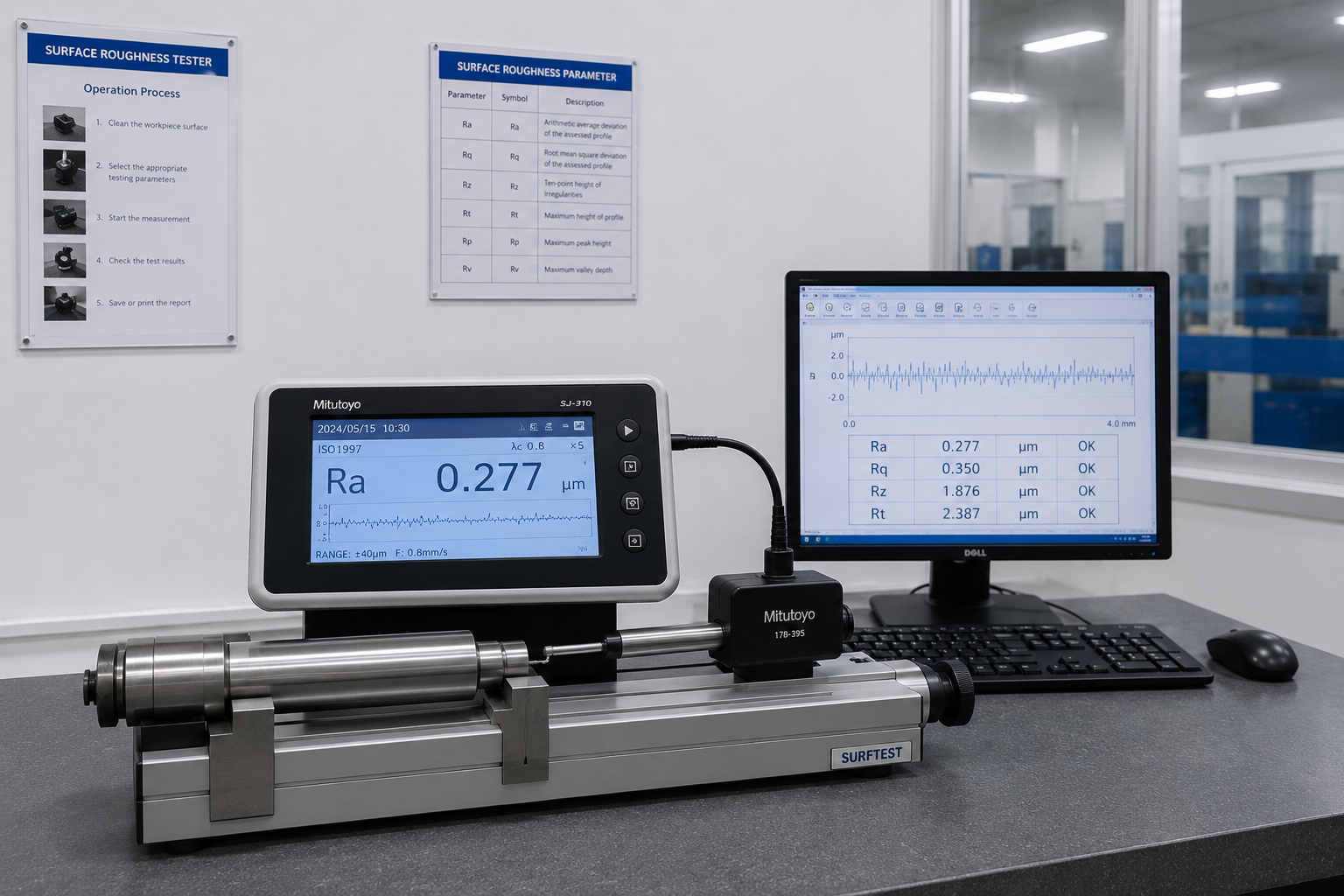
Surface roughness, thickness, adhesion, color, corrosion performance and coverage may require different tools or tests. The factory should choose inspection based on the finish and application, not use one generic check.
Nbfeiyu Factory Angle
Nbfeiyu coordinates metal machining, surface finishing and final quality control for OEM parts. Buyers should ask how outside processors are approved, how batches are identified and what evidence is available before assembly.
Buyer Checklist
- Name the exact substrate and finish process.
- Approve a physical finish sample or coupon.
- Define cosmetic and performance acceptance limits.
- Record processor and batch information.
- Inspect returned parts before assembly.
- Keep traceable records for repeat orders.
FAQ
Is outsourced finishing always a quality risk?
No. A qualified processor with clear controls can be reliable. The risk rises when the main factory has no approved sample, batch record or incoming check.
Should the buyer approve the finishing supplier?
For high-volume or critical appearance programs, buyer approval can be useful. At minimum, the buyer should approve the finish standard and change-control process.
What should happen if a finish batch changes?
The factory should compare it with the approved reference, run required tests and obtain buyer approval when the change affects appearance or performance.
Conclusion
The costliest OEM problems are often ordinary details that were not defined early enough. A better RFQ gives the factory enough information to control the process before parts reach final inspection.
For buyers, the goal is not to over-specify everything. It is to define the details that affect fit, function, appearance, repeatability and shipment risk.