
How Do You Choose the Right Surface Finish for Metal Parts?
Executive Summary
Choosing the right surface finish for metal parts depends on function, appearance, corrosion resistance, wear resistance, assembly fit, cost, and operating environment. Procurement managers should define surface finish requirements during RFQ, not after production begins. Common options include anodizing, electroplating, powder coating, passivation, polishing, brushing, painting, black oxide, and e-coating. The wrong finish can increase cost, affect tolerances, create assembly problems, or fail in the application environment. For OEM metal parts, surface treatment should be reviewed together with material, geometry, tolerance, inspection, packaging, and end-use conditions.
Direct Answer
Choose a metal surface finish based on:
- Corrosion resistance
- Wear resistance
- Appearance
- Electrical conductivity
- Paint or coating adhesion
- Dimensional impact
- Outdoor or indoor use
- Chemical exposure
- Assembly fit
- Cost and lead time
Common Surface Finishing Options
| Finish | Common Use | Key Benefit |
|---|---|---|
| Anodizing | Aluminum parts | Corrosion resistance and appearance |
| Electroplating | Steel, brass, zinc parts | Corrosion resistance and surface properties |
| Powder coating | Sheet metal and welded parts | Durable colored coating |
| Passivation | Stainless steel | Improves corrosion resistance |
| Polishing | Decorative or contact surfaces | Smooth appearance |
| Brushing | Cosmetic metal parts | Consistent directional texture |
| Black oxide | Steel parts | Dark appearance, mild protection |
| E-coating | Complex metal parts | Uniform corrosion protection |
Related resource: Surface Treatment
Match Finish to Application
Outdoor Parts
Outdoor components may need corrosion-resistant finishes such as anodizing, powder coating, galvanizing, passivation, or e-coating.
Cosmetic Parts
Visible parts may require polishing, brushing, anodizing, painting, or controlled powder coating.
Functional Parts
Functional surfaces may need specific roughness, hardness, coating thickness, or low-friction properties.
Dimensional Impact
Surface finishing can change part dimensions. Plating and coating add thickness. Polishing can remove material. Anodizing may affect holes, threads, and tight fits.
Procurement managers should ask:
- What coating thickness is expected?
- Are holes or threads masked?
- Does the finish affect tolerance?
- How is finish quality inspected?
- How are finished parts packaged?
Material Compatibility
Not every finish works well with every material.
Examples:
- Aluminum is commonly anodized.
- Stainless steel is commonly passivated.
- Steel may be plated, painted, powder coated, or black oxide treated.
- Brass may be polished or plated.
Common Mistakes
Selecting Finish Only by Appearance
Appearance matters, but corrosion resistance, wear, and assembly fit may be more important.
Defining Finish Too Late
Surface treatment affects cost and lead time. It should be included in RFQ.
Ignoring Packaging
Finished surfaces can scratch during shipment. Packaging should protect cosmetic and coated surfaces.
Missing Inspection Criteria
Define acceptable color range, gloss, coating thickness, and cosmetic defects.
FAQ
What is the best finish for aluminum parts?
Anodizing is common for aluminum, but the best choice depends on corrosion, color, wear, and appearance requirements.
Does surface finish affect CNC machining tolerance?
Yes. Some finishes add or remove material, which can affect holes, threads, and tight fits.
Should surface finish be included in the drawing?
Yes. The drawing or RFQ should define finish type, color, thickness, and inspection requirements.
Can nbfeiyu support surface treatment?
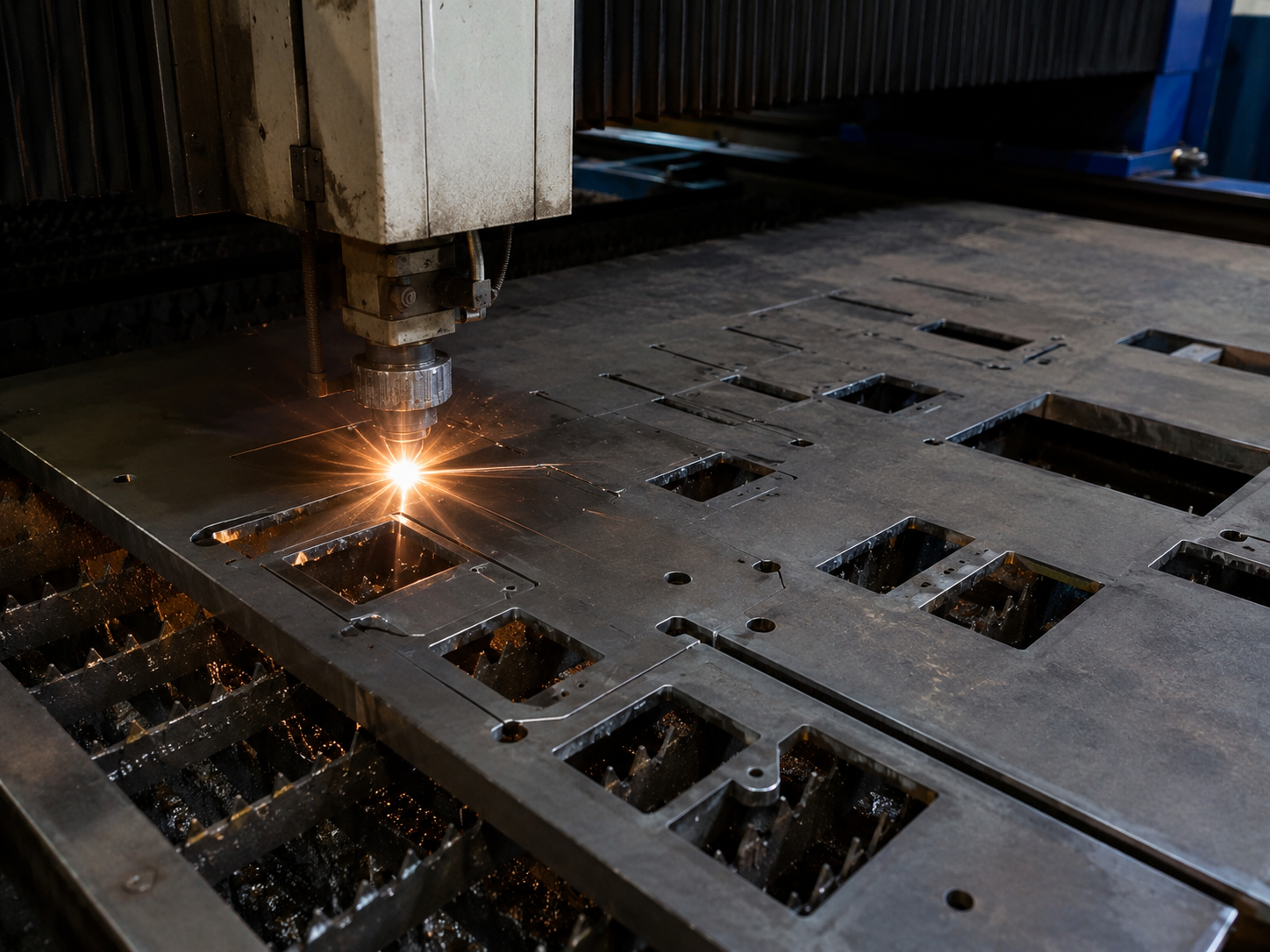
Yes. nbfeiyu supports surface treatment coordination for CNC machined, laser cut, welded, and assembled metal parts.
Quick Answer
The practical answer depends on the part function, material, quantity, tolerance, finishing and inspection requirements. A factory review before production helps convert those requirements into a controlled process.
Buyer Checklist
- Define the part function and critical features.
- Confirm material, quantity, tolerance and finish.
- Agree sample approval and inspection standards.
- Record packaging and shipment requirements.
Need Help With a Custom Manufacturing Project?
Send drawings, samples, materials, quantity, tolerance, finishing, inspection and packaging requirements. Nbfeiyu can review manufacturability, process route, quality checkpoints and quotation details before production.