
Procurement teams are often asked to reduce unit cost. That is normal, and a competitive supplier can still be a good supplier. This article is not a general warning about low prices; that broader topic is covered in why the lowest unit price can increase risk in custom parts manufacturing.
Here the focus is narrower: what happens after the goods ship when the quote did not include enough control for fit, finish, assembly, packaging or repeat batch consistency. That is where warranty and replacement cost appear.
Quick Answer: Warranty Cost Starts Before Shipment
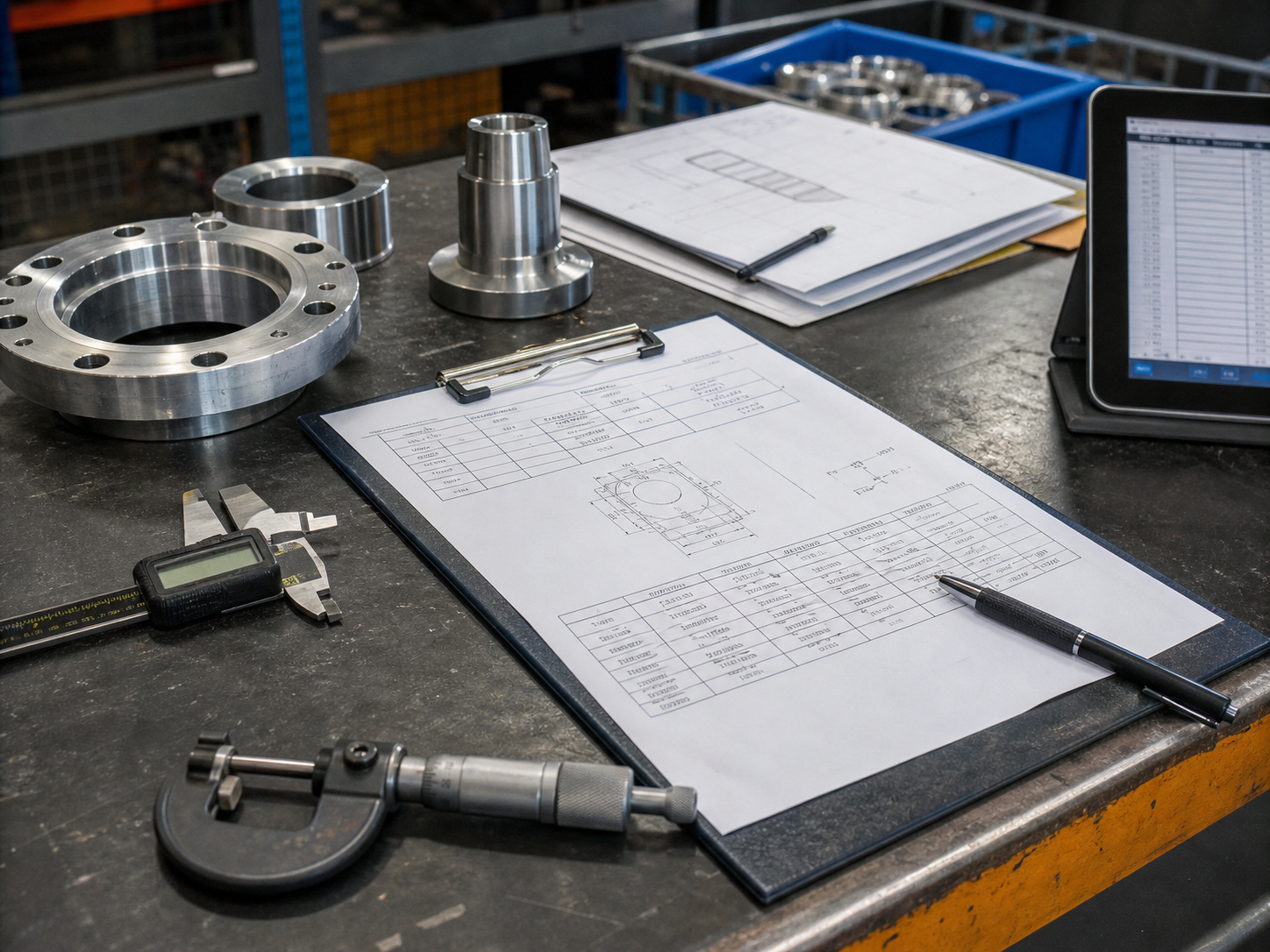
Cheap OEM quotes create warranty and replacement cost when they exclude prevention work: engineering review, sample validation, incoming material checks, in-process inspection, surface protection, assembly verification, packaging tests and repeat-order control.
Factory Scenario: The Saving Disappears After the First Complaint
A buyer chooses a low quote for a visible metal accessory. Samples look acceptable, but the quote does not include a clear cosmetic standard, carton rubbing protection, assembly fit check or final shipment approval photos. After arrival, some cartons show rubbed surfaces and a few parts require replacement.
The unit price was lower. The real cost now includes replacement stock, express shipping, warehouse sorting, customer service time, delayed sales and internal discussion about whether the supplier or buyer should pay.
1. Unclear Specifications Create Different Standards
A supplier cannot control what has not been defined. If the RFQ only says steel, aluminum, black finish or standard packaging, each supplier may make different assumptions. The cheapest quote may simply be based on fewer requirements.
Before comparing prices, buyers should define material grade, tolerance, visible surfaces, finish type, coating expectation, assembly function, packaging method and inspection criteria. Related guide: what to include in a complete RFQ package.
2. Weak Sample Approval Pushes Risk Into Mass Production
Sample approval should confirm more than shape. It should confirm dimensions, surface appearance, assembly fit, function, packaging, labels and any customer-facing details. If the sample is approved casually, the production team has no clear reference when the order scales.
A good sample approval process gives both buyer and factory a shared standard. That standard becomes important when later batches need to match the first approved part.
3. Material Substitution Can Be Expensive Later
Low prices sometimes come from a different material assumption. A change in steel grade, aluminum grade, plastic material or brass component may not be obvious in photos, but it can affect strength, corrosion behavior, machining stability or assembly life.
Buyers should ask how incoming materials are checked and whether material certificates, inspection records or supplier traceability can be provided when the project requires them.
4. Surface Finish Problems Often Become Customer Complaints
Surface defects are easy for end users to notice. Scratches, color variation, poor polishing, coating marks, stains or thin protection can turn a technically usable part into a warranty claim for a brand owner.
For visible parts, the supplier should know which surfaces are cosmetic, which defects are acceptable and how parts will be protected before packing. Related reading: surface finishing defects buyers should define before mass production.
5. Assembly Issues Are Hard to Fix After Shipment
For finished accessories and mechanical assemblies, small assembly problems can create large after-sales cost. Missing fasteners, loose fit, wrong orientation, inconsistent torque or poor kitting may not be visible until the customer opens the package.
When assembly is part of the order, buyers should define fixtures, sequence, functional checks, label control, packaging layout and final inspection before mass production. Related capability: Assembly & Supply Chain.
6. Replacement Logistics Can Cost More Than the Defect
When products are already in the buyer’s warehouse or retail channel, replacement is not only a part cost. It can involve sorting labor, urgent production, express freight, repacking, customer communication and sales delay.
This is why warranty cost should be considered during quotation. A quote that excludes packaging protection or inspection documentation may look efficient until replacement logistics begin.
7. Packaging Damage Is Still a Quality Problem
A product can leave the factory in good condition and still become a warranty issue if packaging is weak. Surface-finished parts, heavy metal components and retail accessories need packaging that prevents rubbing, deformation, moisture exposure and carton breakage.
Packaging should be reviewed with the same seriousness as the part itself. Export cartons, inner protection, labels, palletizing and drop or handling expectations should be defined before shipment.
8. Repeat Production Drift Increases Long-Term Cost
The first order may pass, but warranty risk can grow when later batches drift from the approved sample. Tool wear, material variation, operator changes, outsourced finishing or relaxed inspection can slowly change the product.
Buyers should ask how the supplier controls repeat orders: retained samples, inspection records, process parameters, fixture control and final shipment approval are all part of long-term cost control.
Buyer Checklist for Reducing Warranty Cost
- Compare quote scope before comparing unit price.
- Define material grade, tolerance and critical dimensions.
- Approve samples for fit, finish, function and packaging.
- Ask about incoming material inspection and traceability.
- Define cosmetic standards for visible surfaces.
- Confirm assembly checks and final inspection points.
- Review export packaging before shipment.
- Estimate replacement freight and sorting cost, not only part cost.
- Ask how repeat batches are matched to the approved sample.
How Nbfeiyu Helps Buyers Control Quality Cost
Nbfeiyu supports OEM/ODM projects with engineering review, production planning, material and process control, surface treatment coordination, assembly support and final inspection. The factory operates 20 production lines, with quality control staff supervising production to support consistent output.
For custom automotive accessories and metal or plastic components, the goal is not only to ship parts. The goal is to make the approved standard repeatable, inspectable and protected through packing and delivery.
FAQ
Is a cheap OEM quote always a bad quote?
No. A competitive quote can be good if the supplier clearly includes specifications, samples, process control, inspection, packaging and shipment approval. The risk is a cheap quote that quietly removes prevention work.
What after-sales costs are often missed?
Buyers often miss replacement parts, sorting labor, repacking, urgent freight, customer service time, delayed sales, internal quality meetings and the cost of protecting the brand relationship.
How can buyers reduce replacement cost before production?
Buyers can reduce replacement cost by defining critical requirements, approving samples carefully, confirming inspection standards, reviewing packaging protection and requiring shipment approval before goods leave the factory.
Conclusion
The cheapest quote is not always the lowest after-sales cost. For OEM buyers, true cost includes the work required to prevent replacement claims, protect the brand and keep repeat production stable.
A better supplier comparison should ask one practical question: which quote includes enough prevention work to keep customers from needing replacements later?