
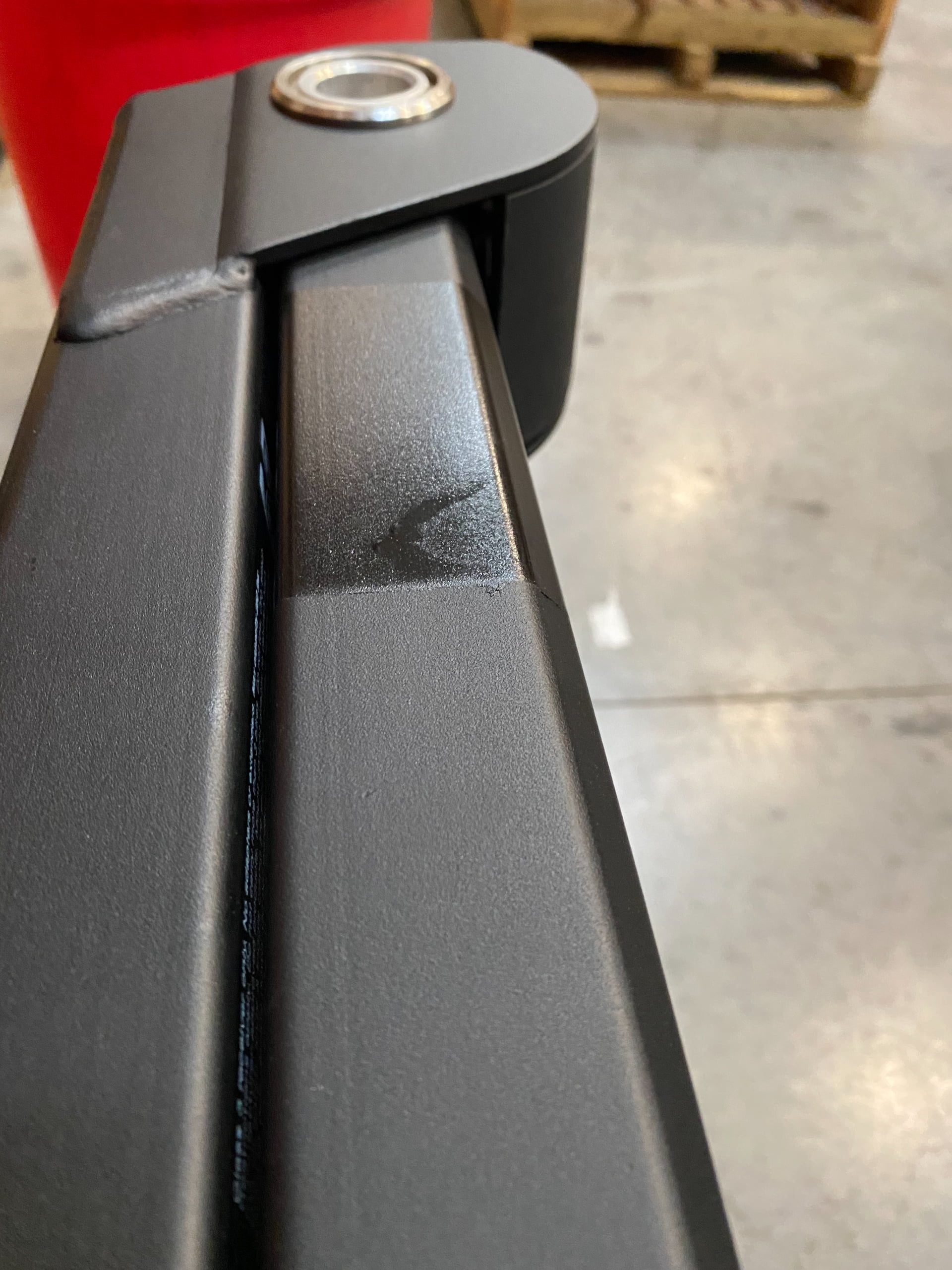
Surface defects are hard to discuss after mass production. One buyer may reject a scratch immediately. Another may accept it if the area is hidden after assembly. If the acceptance standard is not written early, both sides may be looking at the same part but judging it differently.
That is why surface finishing defects should be defined before sample approval and mass production release.
Factory Scenario: A Scratch Is Not Always the Same Defect
A small mark on a hidden mounting face may not affect the product. The same mark on a visible branded surface can create a customer complaint. When the drawing does not separate visible and non-visible areas, QC staff must guess. Guessing is not a stable inspection method.
Common Surface Defects to Define
Buyers should define the defects that matter for the product. Common issues include scratches, dents, polishing marks, color variation, coating runs, thin coating, plating stains, oxidation marks, pinholes, peeling, rough texture, uneven gloss and handling damage.
Some defects affect appearance. Others affect durability or corrosion resistance. The standard should explain which defects are unacceptable, where they are unacceptable and how they will be checked.
Use Approved Samples Carefully
An approved sample is useful, but it should not stand alone. If the sample is the only reference, later batches may create arguments about color, gloss, texture or small surface marks. A sample works better when it is supported by photos, notes, defect limits and inspection distance.
Coating Thickness and Color Need Clear Limits
For coating, plating and anodizing, thickness may affect corrosion resistance, appearance and assembly fit. Color variation may also appear across batches or materials. If exact matching is important, the buyer should define a color reference, acceptable range and whether each batch must be compared with the same master sample.
Packaging Can Create Surface Defects
A surface-treated part can pass inspection and still arrive damaged if the packing method is weak. Parts may rub against each other, labels may peel, edges may scratch visible surfaces or cartons may allow movement during shipping.
For export orders, packaging protection should be part of the surface finishing standard, not a separate afterthought.
Inspection Points Before Production
- Visible and non-visible surface definition.
- Acceptable scratch, dent and mark limits.
- Color, gloss and texture reference.
- Coating thickness or corrosion expectation.
- Inspection distance, lighting and sampling method.
- Handling and packaging protection.
How Nbfeiyu Supports Surface Inspection
Nbfeiyu links finishing review with Quality Control, production preparation and final shipment checks. For OEM/ODM buyers, this helps keep surface expectations clear from sample approval to repeat orders.
Conclusion
Surface defects are easier to control when the buyer and factory define them before production. A clear standard protects both appearance quality and delivery timing.