
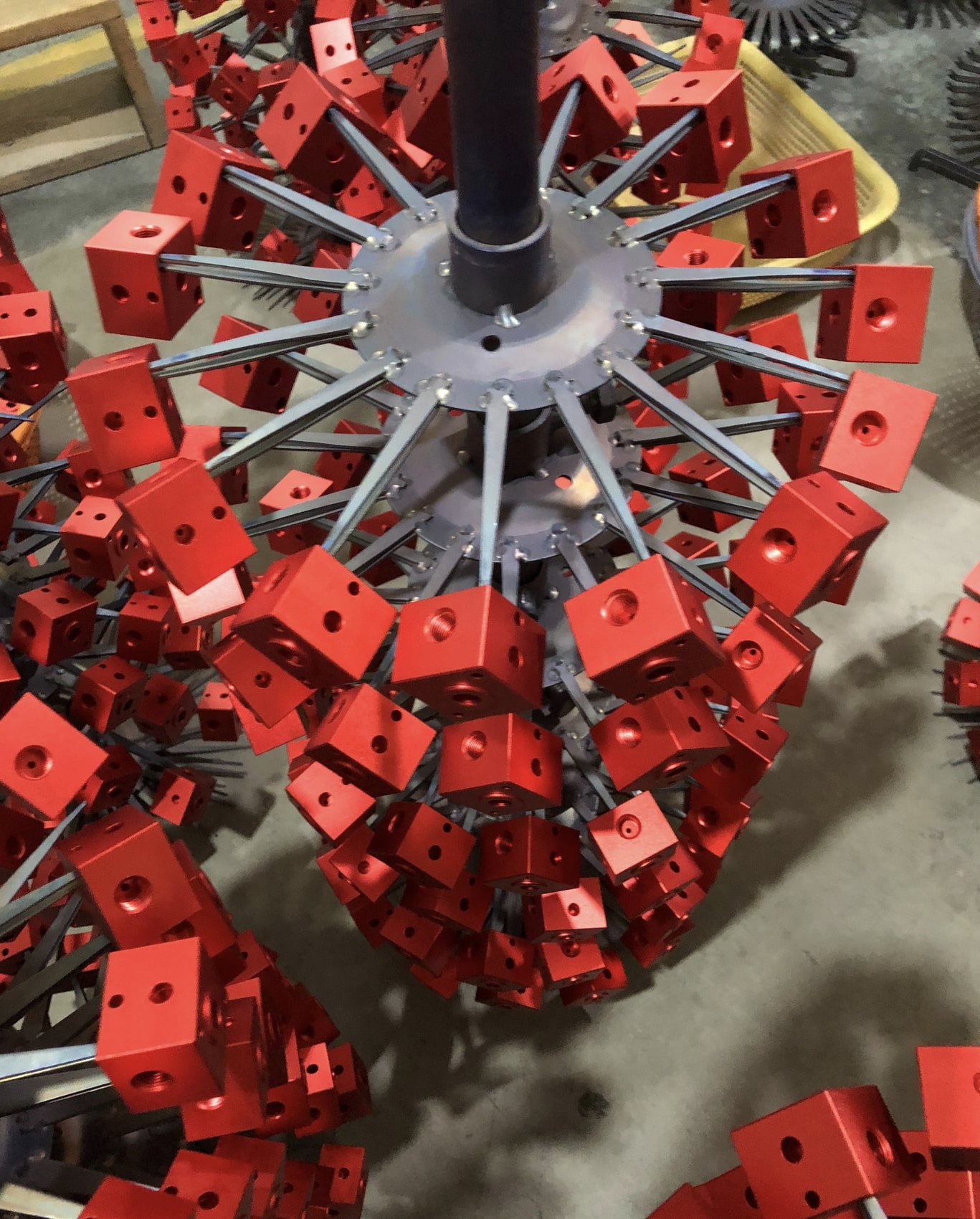
Anodizing and electroplating are often discussed together, but they are not the same decision. The right choice depends on base material, appearance target, corrosion requirement, dimensional sensitivity and how the part will be handled after finishing.
For buyers, the risk is choosing a finish by name only. A drawing note that says anodized or plated is useful, but it does not tell the factory enough about color, thickness, cosmetic limits or inspection method.
Factory Scenario: The Finish Looks Similar, but the Risk Is Different
A buyer may ask for a black finish on two different metal parts. One aluminum part may be suitable for anodizing. Another steel part may need plating, coating or another route. If the RFQ only says black finish, suppliers may quote different processes and the prices will not be comparable.
When Anodizing Is Usually Considered
Anodizing is commonly used for aluminum parts. It can improve surface hardness, corrosion resistance and appearance while keeping a metallic look. It is often chosen for visible aluminum components, machined parts, brackets, handles and accessories where color and texture matter.
Buyers should define color, gloss or matte expectation, visible surfaces, sealing requirement and acceptable color variation. Aluminum grade and surface preparation affect the final look, so sample approval is important before mass production.
When Electroplating Is Usually Considered
Electroplating can be used for different metals based on the required coating and performance. It may support corrosion resistance, wear resistance, conductivity or decorative appearance. The process can also add coating thickness, which matters when the part has tight fit or threaded features.
For plated parts, buyers should define coating type, thickness, corrosion expectation, appearance standard and any masking or no-plating areas.
What Buyers Should Compare
- Base material compatibility.
- Visible appearance and color tolerance.
- Coating or oxide layer thickness.
- Corrosion and wear expectation.
- Effect on holes, threads and assembly fit.
- Batch-to-batch consistency.
- Inspection method and approved sample.
Do Not Ignore Geometry
Part shape affects both anodizing and electroplating. Deep holes, sharp edges, threaded areas, narrow slots and complex surfaces can create uneven results or inspection challenges. A factory should review these points before confirming the finishing route.
How Nbfeiyu Reviews Finish Choice
Nbfeiyu reviews material, drawings, surface visibility, tolerance, assembly fit and packaging before confirming a surface treatment route. For OEM/ODM projects, this review connects CNC Machining, Surface Treatment, Assembly & Supply Chain and Quality Control.
Conclusion
Anodizing and electroplating can both be good choices, but they solve different problems. A good RFQ should define not only the finish name, but also the material, appearance target, performance requirement and inspection standard.